Published March 2026 | Updated March 2026
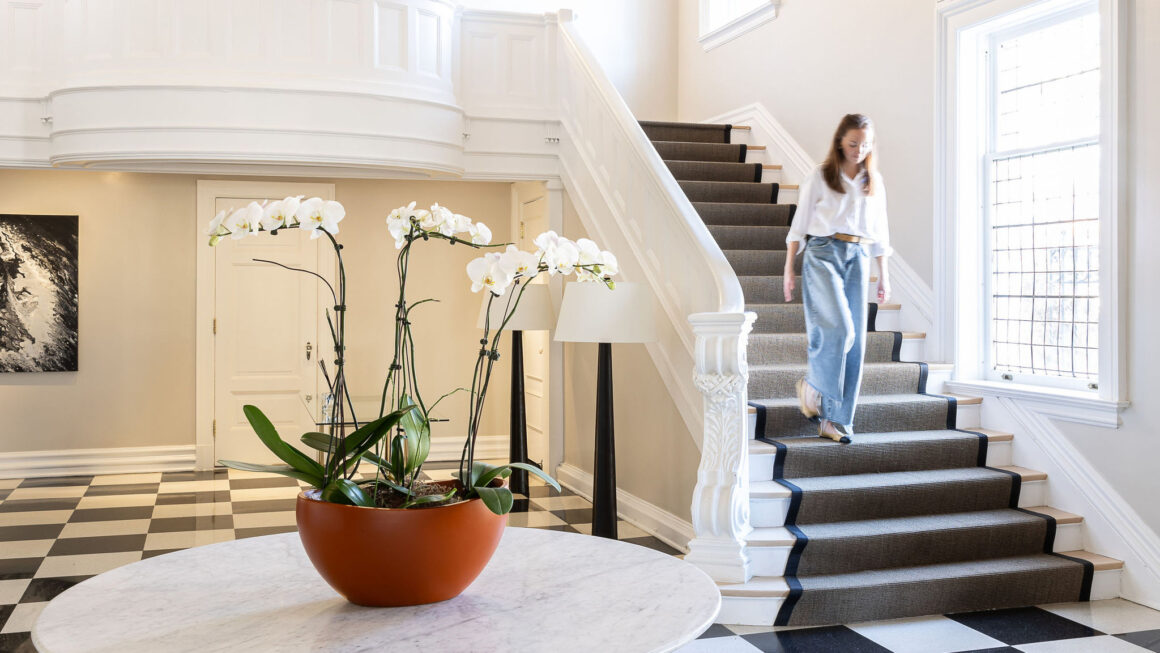
When designer Caroline (Tryba) Patterson approached the renovation of Denver’s historic Crawford Hill Mansion, the goal was not simply restoration—it was revival. Once a private residence and now reimagined as a philanthropic hub for the Salazar Family Foundation, the National Register property required a thoughtful balance between preservation and modern performance. Across formal gathering spaces, offices, and a grand staircase, material choices needed to honor the mansion’s architectural legacy while supporting daily use and circulation. In this context, sisal became a unifying element—bringing texture, durability, and quiet refinement to a landmark building designed to serve a new generation.
We spoke with Caroline about the vision behind the renovation and the material choices that helped shape the mansion’s next chapter.
image credit: all images courtesy of Be Boulder Photography
How does your background in art history and architecture inform your overall design philosophy?
My background insists that I consider the history and context of the place before any design begins. Acknowledging the context of where, who and what you’re designing around will only lead to a richer outcome for the final product.
What types of projects do you typically work on, and how does the project type influence your design approach?
Both residential and small commercial projects. The commercial projects reach a physically larger audience, so it’s important to nail the basics of human comfort that we all seek (sometimes unknowingly): the need for warmth, a predisposition for visual symmetry or balance (particularly in a new place), and a connection to nature. Residential design is more custom to the individual experience, but the same principles remain.
When you first stepped into the Crawford Hill Mansion, what was your primary objective for the renovation?
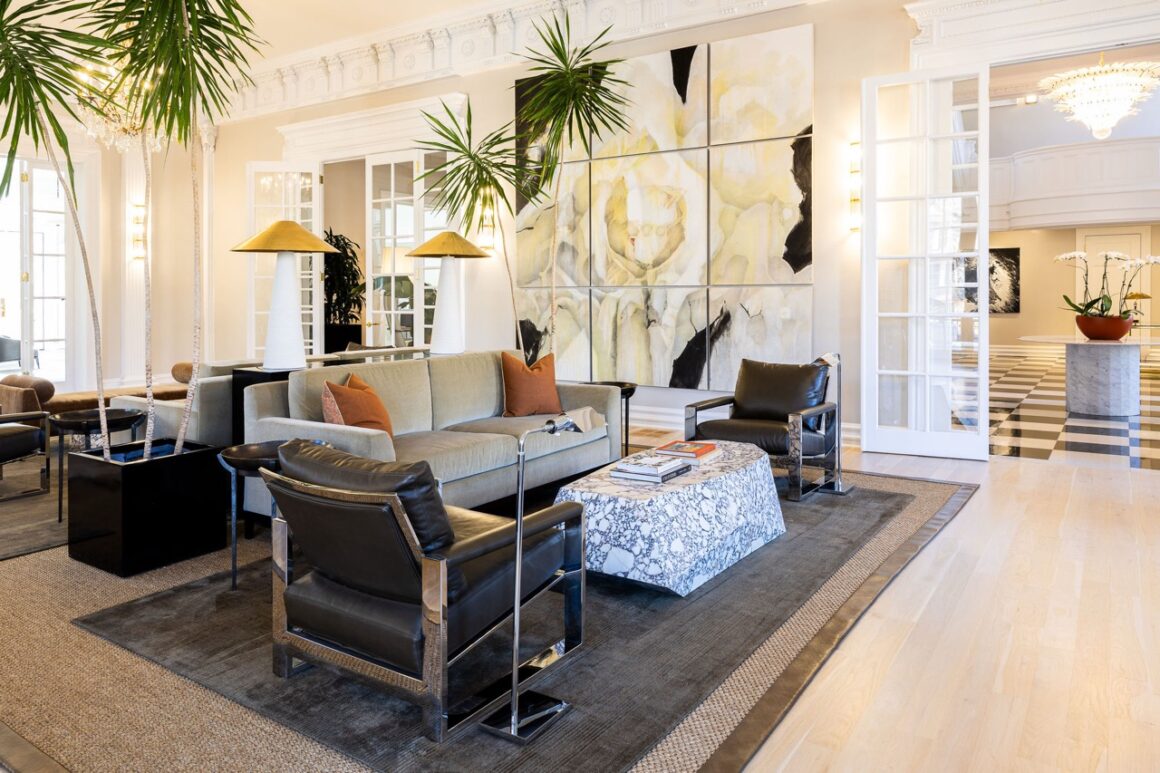
I wanted to restore the original beauty of the place that was compromised by the changes made in the ’80s and ’90s, returning the public spaces to their original soul—sophisticated and even lavish, with greenery and soft seating—rather than the sterile office environment they had become.
How did you balance practical needs (like durability and stain resistance) with aesthetic goals in this project?
We sought out natural materials in darker colors like leather, mohair, and wood in addition to sisal. Natural is always timeless, and so is a mixture of textures in neutral or earth-tone colors.

For the office and conference room where you chose stain-resistant sisal, what were the key priorities for these spaces?
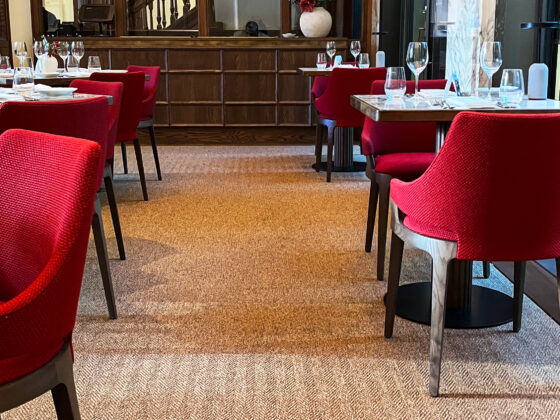
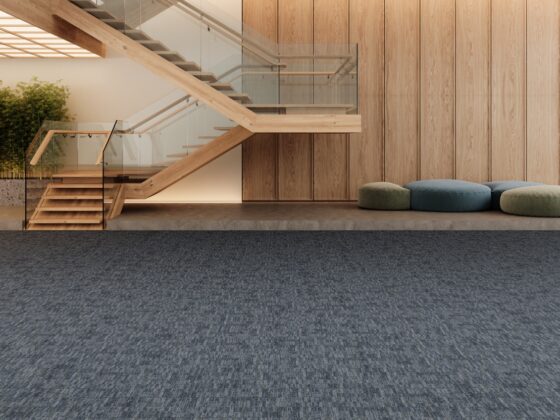
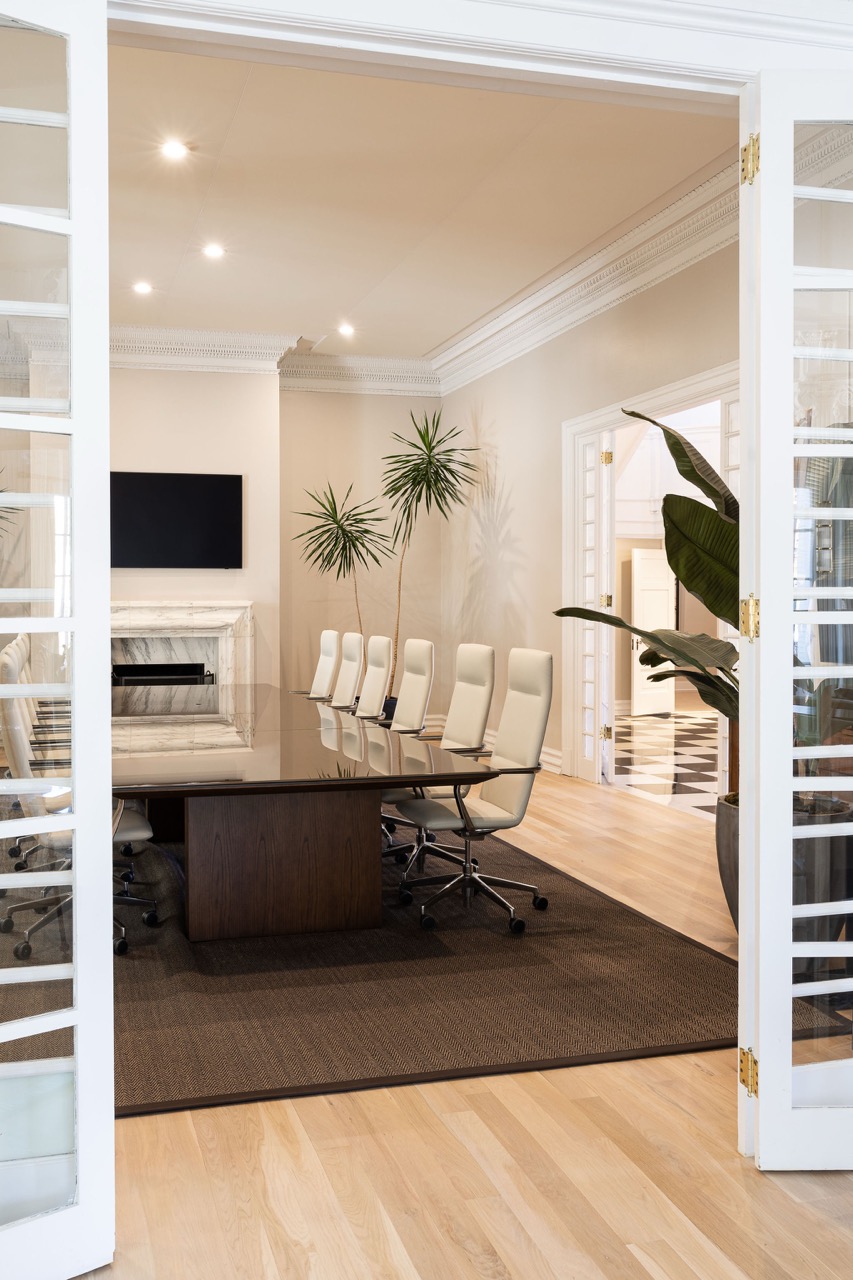
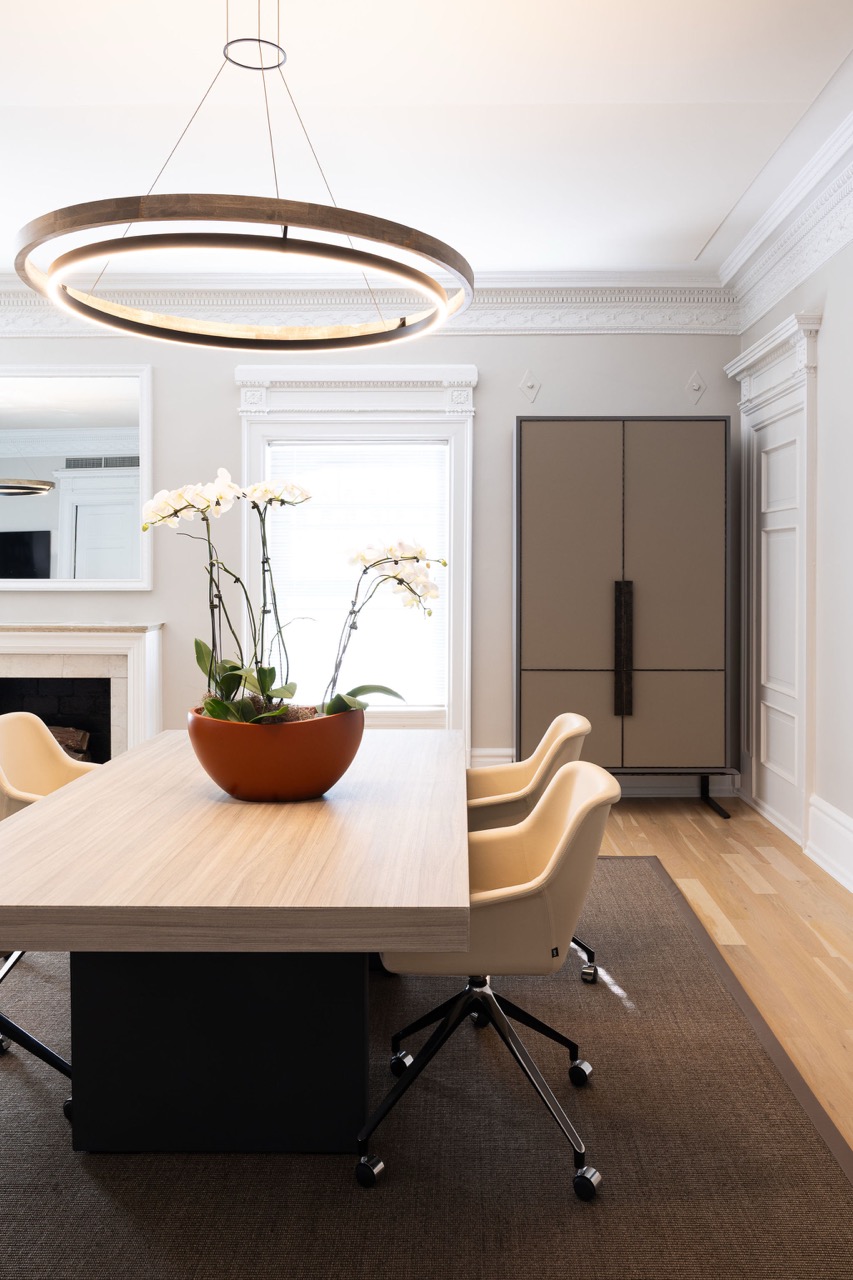
Texture, function, sophistication, and timelessness. Sisal accomplishes all of these! We chose a more tightly woven sisal as well, which allows for chair casters to still roll comfortably. You wouldn’t pick the chunkier sisal that most people associate the word “sisal” with, for an office.
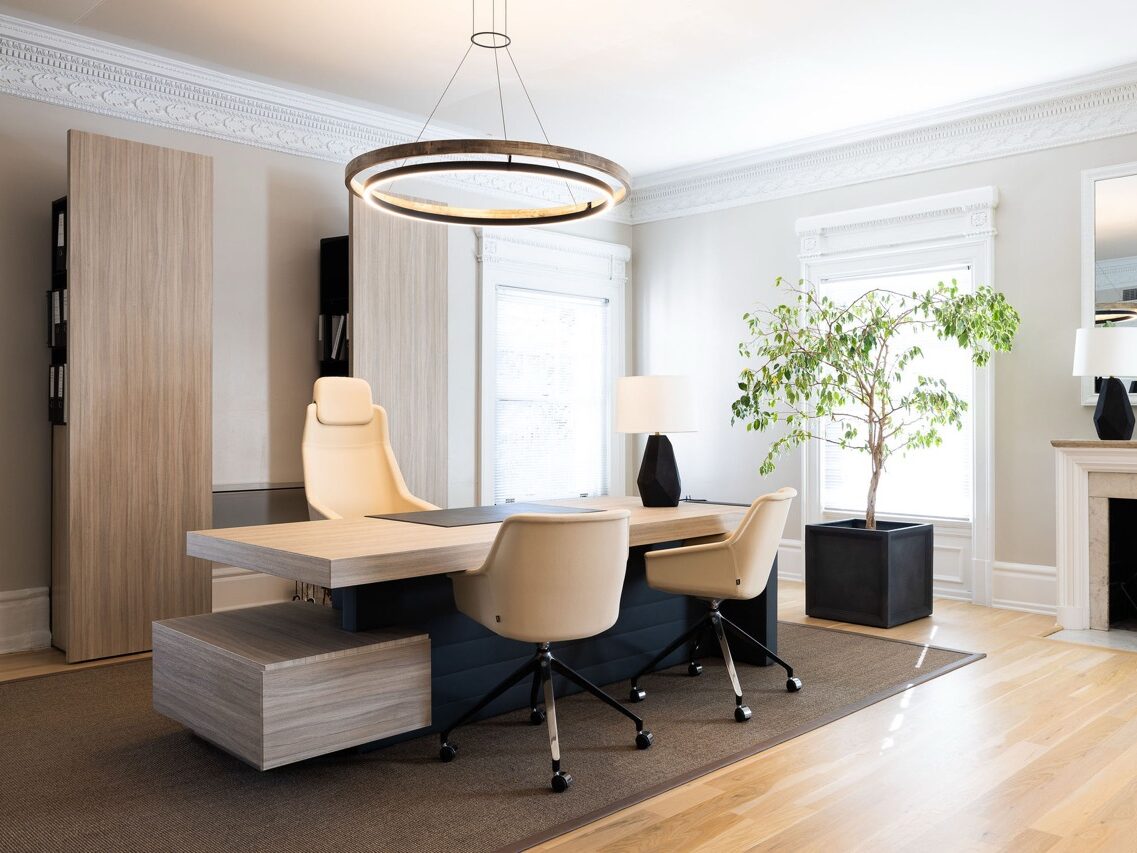
This project uses sisal in both the formal living area and the commercial office spaces. In the offices, you selected a tighter stain-resistant sisal weave to accommodate caster chairs. How did your considerations differ when specifying the sisal for the main gathering space?
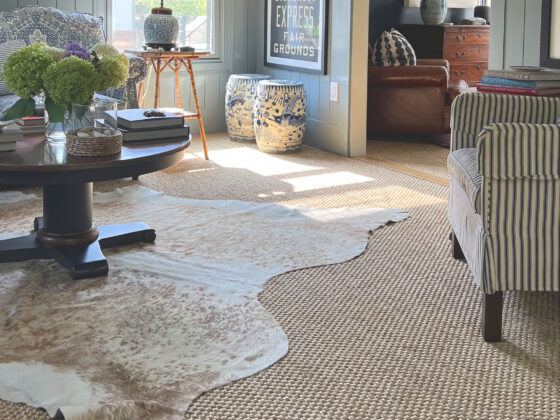
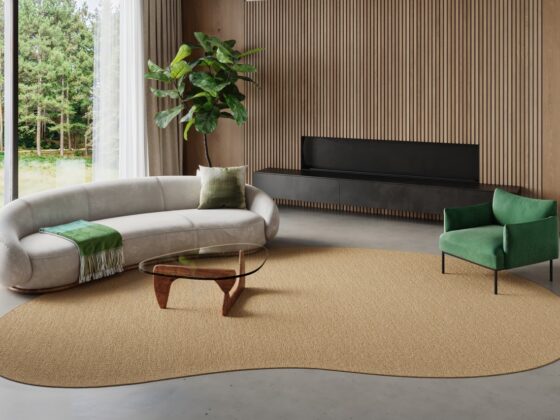
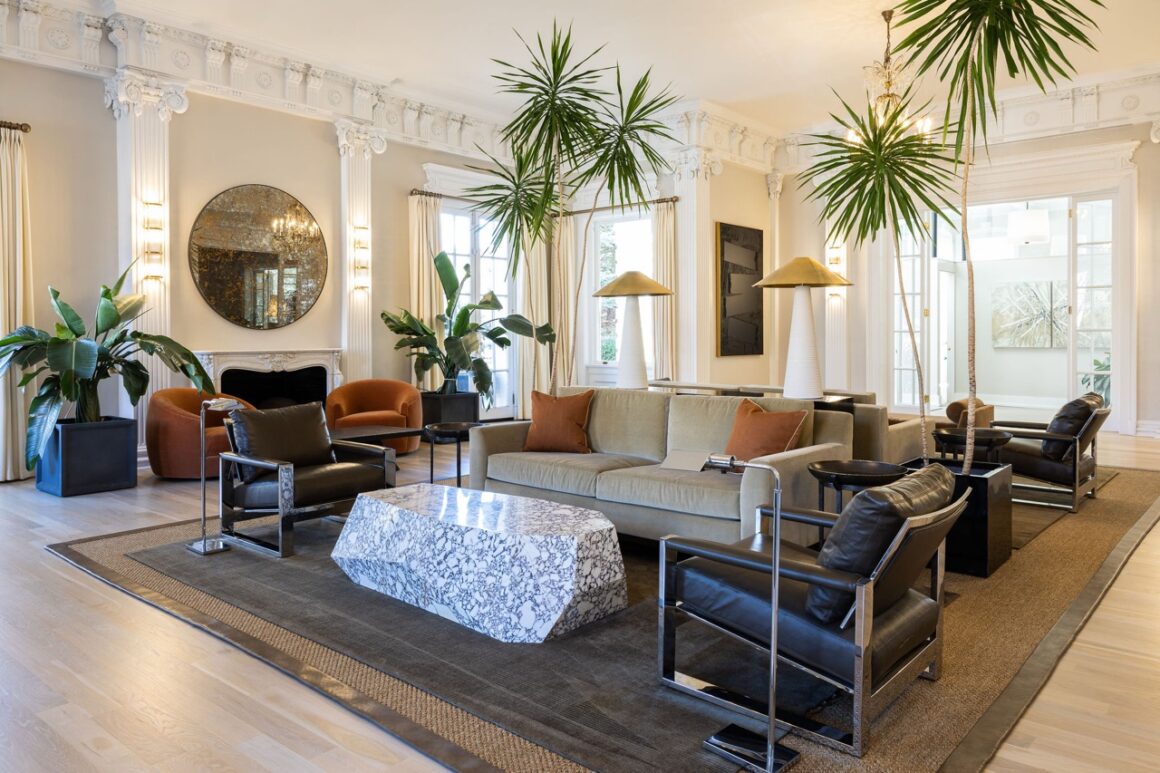
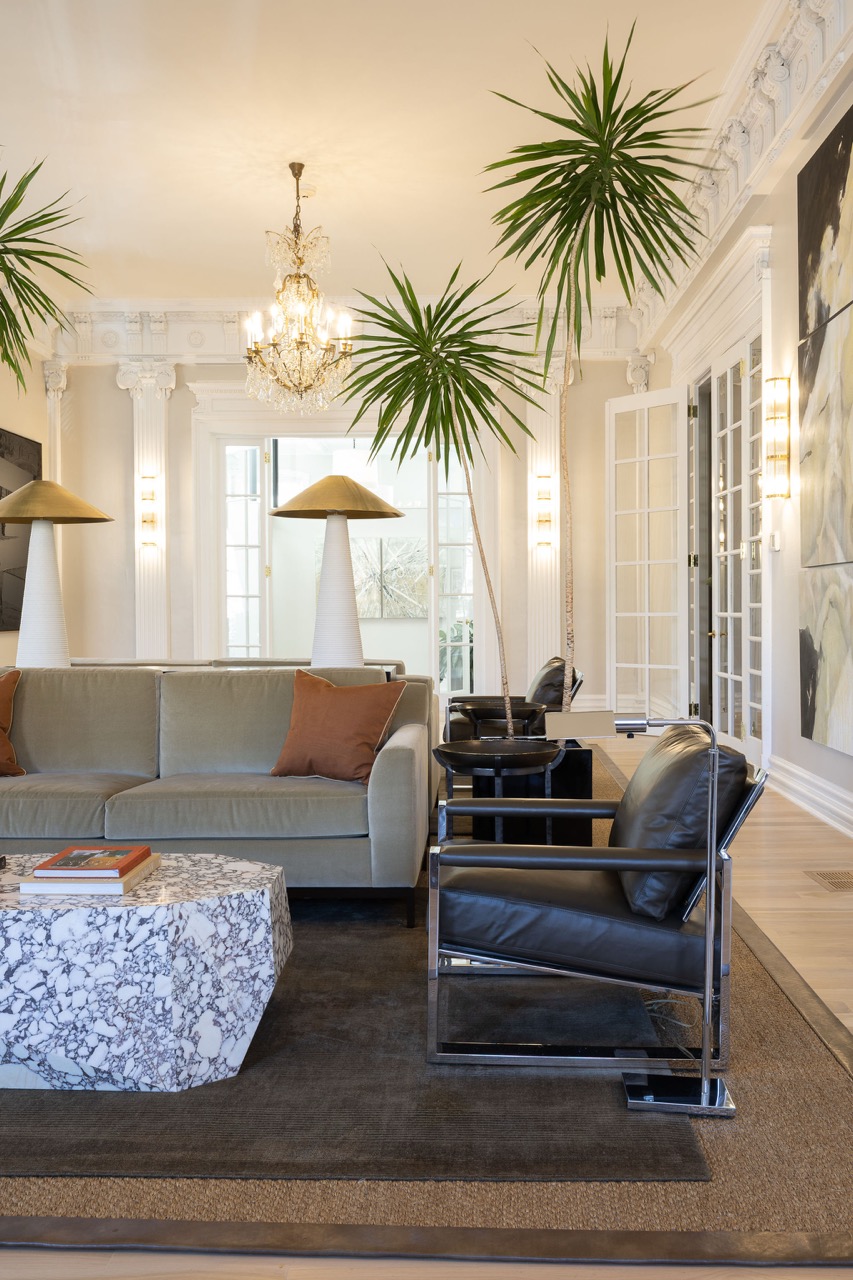
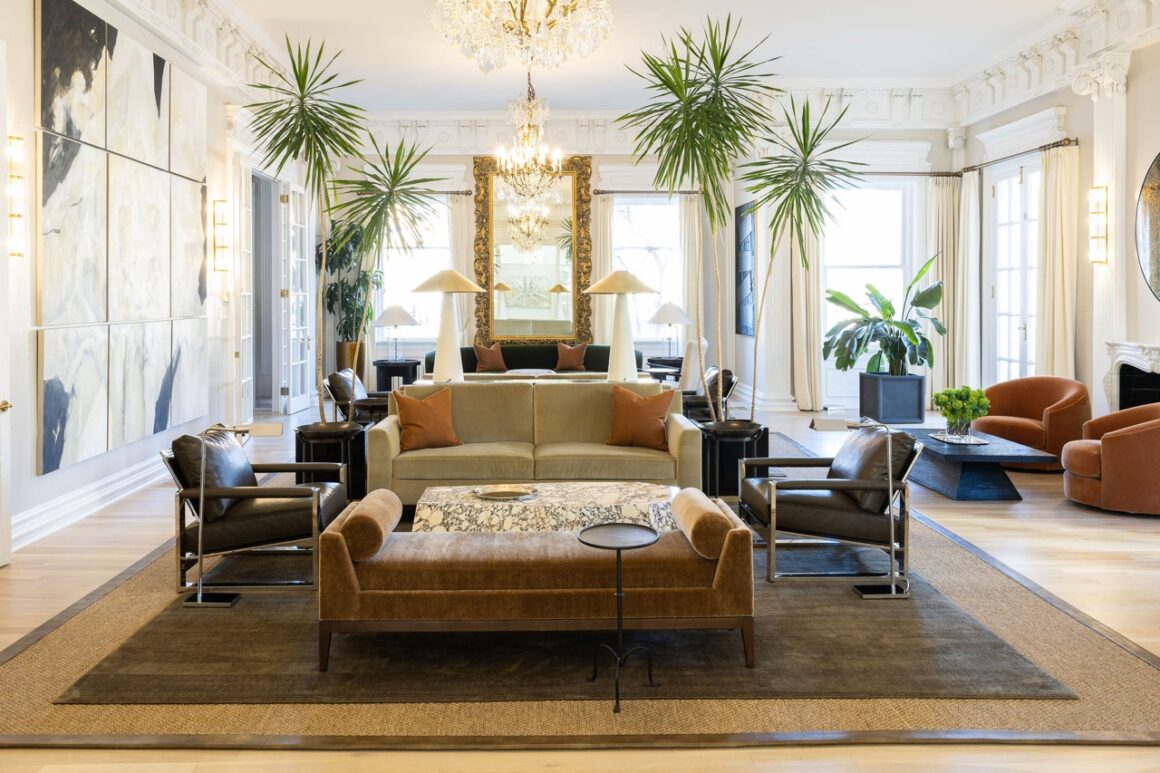
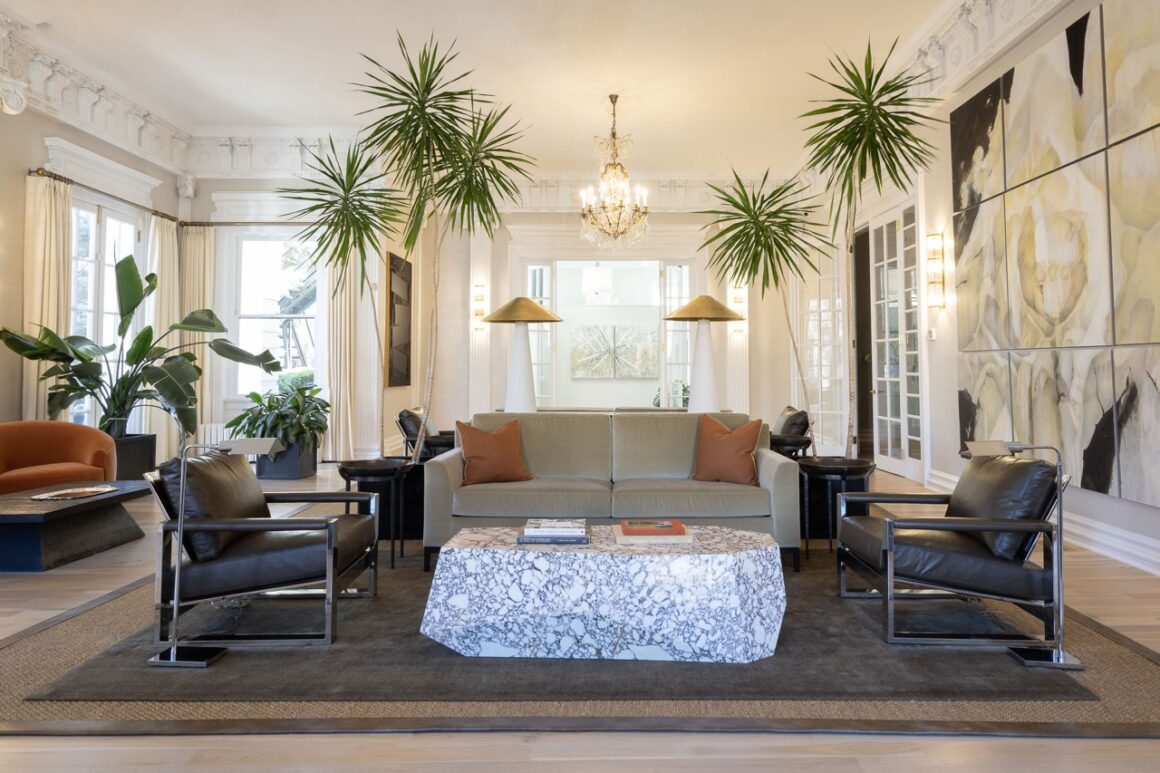
In the Living Room, I wanted to lean into texture for a little more character in this hospitality space and a larger scale because the room itself is quite large. The sisal rug is also layered under a soft, silky rug, so the contrast between the woven texture and the feminine layer adds to the richness of the space that feels more appropriate here than in a typical office.
What’s a common design challenge you encounter in commercial projects and what’s your solution?
Anticipating how circulation and seating areas will be used realistically. As mentioned above, balance and visual alignment are important, so long as they don’t take a back seat to how people will actually engage with a space. You can provide all the right furniture but if it doesn’t get used or disrupts the natural flow of human movement, it’s a failed job. We try to avoid this problem by becoming the users. Walk through and “use” the spaces physically and mentally, on repeat, ad nauseam, until you feel like you live there.
You can provide all the right furniture but if it doesn’t get used or disrupts the natural flow of human movement, it’s a failed job.
~Caroline (Tryba) Patterson
What are a few of your go-to material or texture pairings you can’t imagine working without?
Honestly – sisal and wood! You have a loyal customer.
What was one flooring-related challenge in the project, and how did you approach solving it?
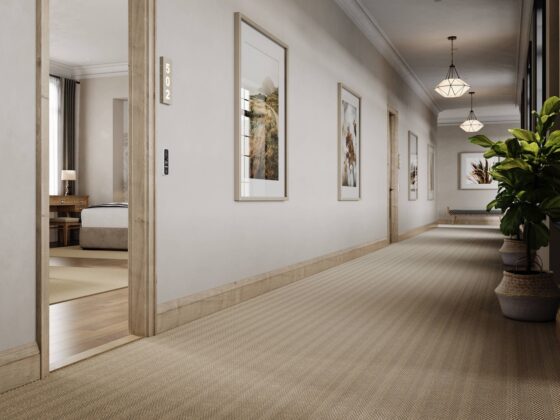
The back hallway was theoretically going to receive a little less traffic and the client wanted it to feel soft and homey, so I went with a high-end wool carpet and learned my lesson the hard way. Commercial spaces have commercial carpet for a reason! If I could do it over, I would have used any of Curran’s SynSisal® products in the back hallway instead.
Specifying carpet for a high-traffic space?
Head over to Best Carpet for High Traffic Areas for guidance.
Final Thoughts
The Crawford Hill Mansion renovation reflects a careful balance of preservation and practicality. Throughout the project, Caroline (Tryba) Patterson returned the historic interiors to their original spirit while ensuring they could support modern use—from offices and conference rooms to gathering spaces and circulation areas. Sisal played a central role in that equation, offering texture, restraint, and durability across varied environments. Even lessons learned along the way reinforced a core truth of commercial design: materials must be as hardworking as they are beautiful. In a building designed for legacy and daily use alike, refinement and performance ultimately go hand in hand.
Where To Find Caroline Tryba Design
Studio: Caroline Tryba Design
Website: www.carolinetryba.com
Instagram: @ctryba
Caroline Tryba Design integrates interior design with architecture and the environment to create comfortable, classic spaces. Seeking timelessness through thoughtful curation produces sophisticated spaces unique to each client.
Product Highlight
For the Crawford Mansion project, Caroline specified the following:
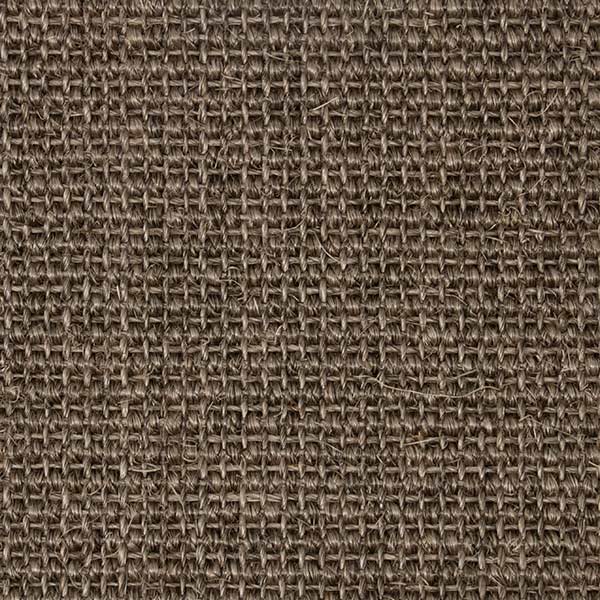
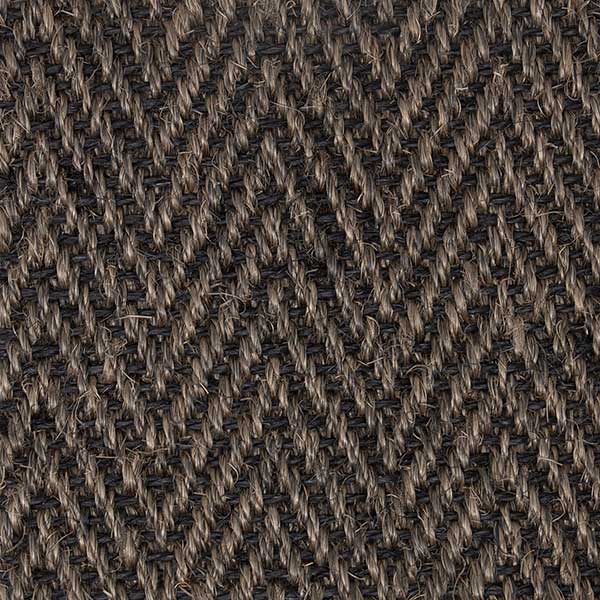
- Office: Whidbey in Evening Gray with Stampede faux leather border
- Conference Room: Vashon in Carbon with Java faux leather border
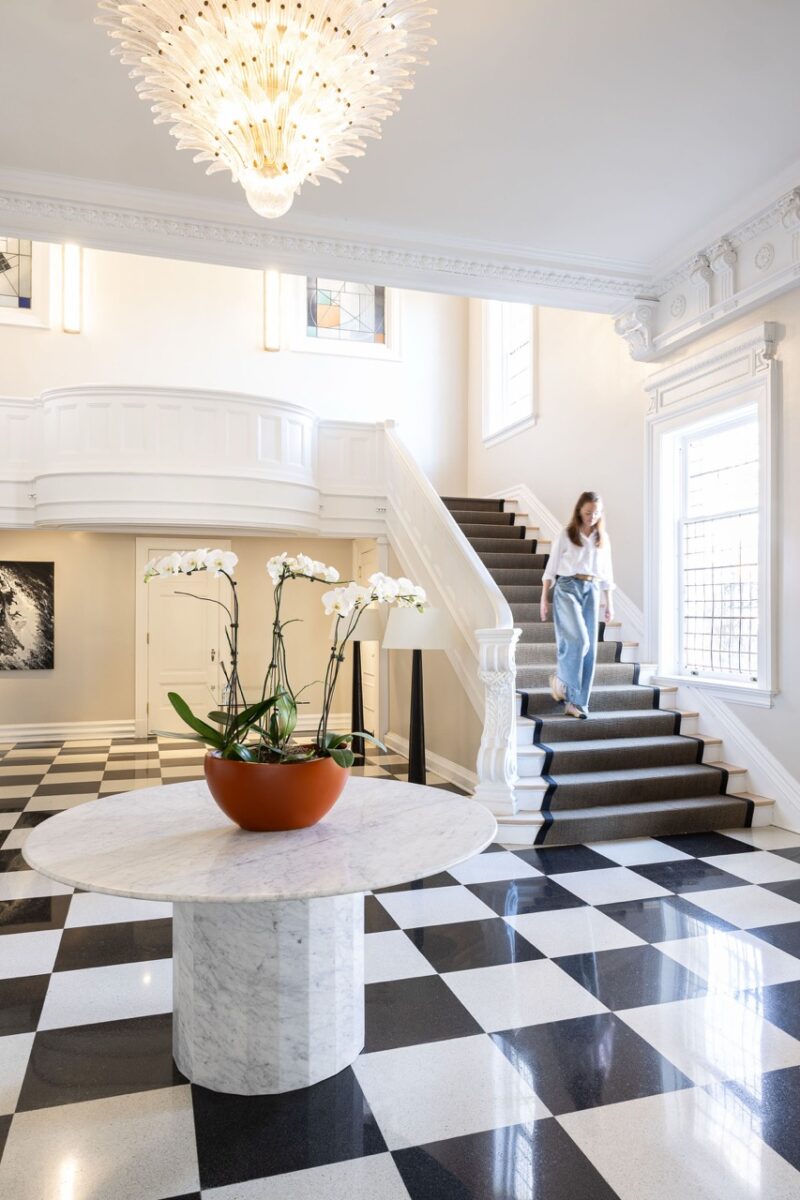
- Staircase: Whidbey in Evening Gray with Midnight faux leather border
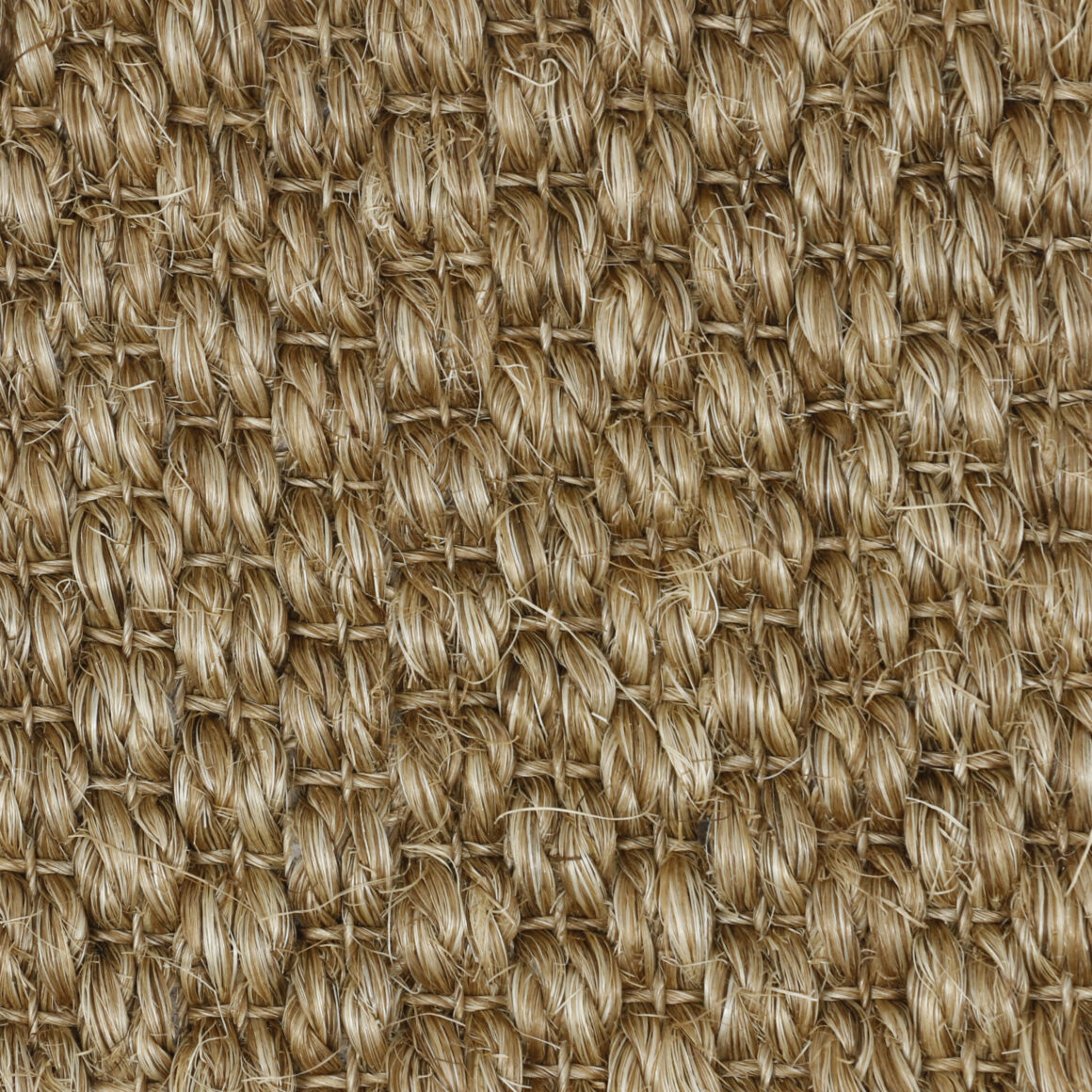
- Living Room: Munich in Nutmeg with Smoke smooth leather border




Want the sisal-look for a commercial space?
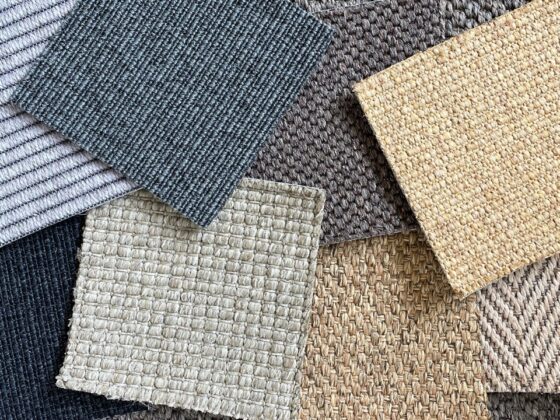
Order Samples today from our Stain-Resistant Sisal & sisal-look SynSisal® Collections.