
Published May 2026 | Updated May 2026
Few homes carry the dual weight of architectural significance and ongoing use quite like the Liljestrand House in Hawai‘i. Designed by Vladimir Ossipoff, the Liljestrand House is considered a landmark of Hawai‘i modernism and one of the architect’s defining residential works.
Today, the house functions not as a private residence but as a historic house museum and home of the Liljestrand Foundation. To better understand how preservation decisions unfold in practice, we spoke with Executive Director Kristi Cardoso about the ongoing stewardship of the house and how the foundation makes decisions that both respect Ossipoff’s vision and address the realities of public use and Hawai‘i’s climate.
About Liljestrand House
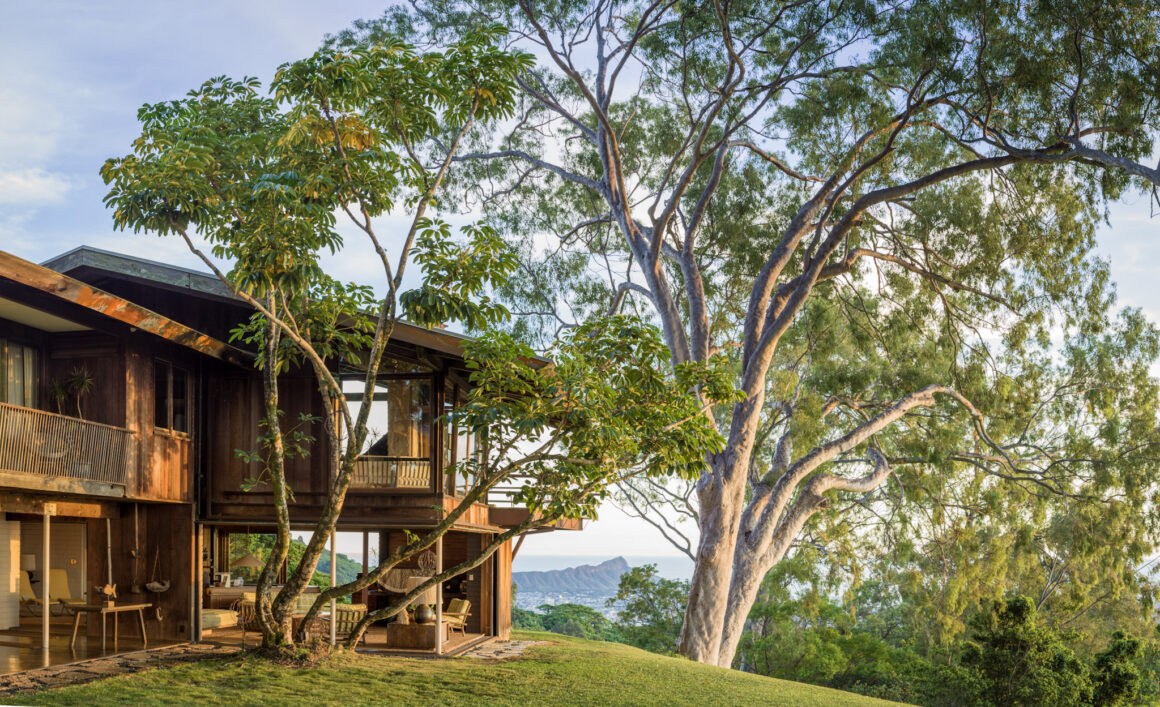
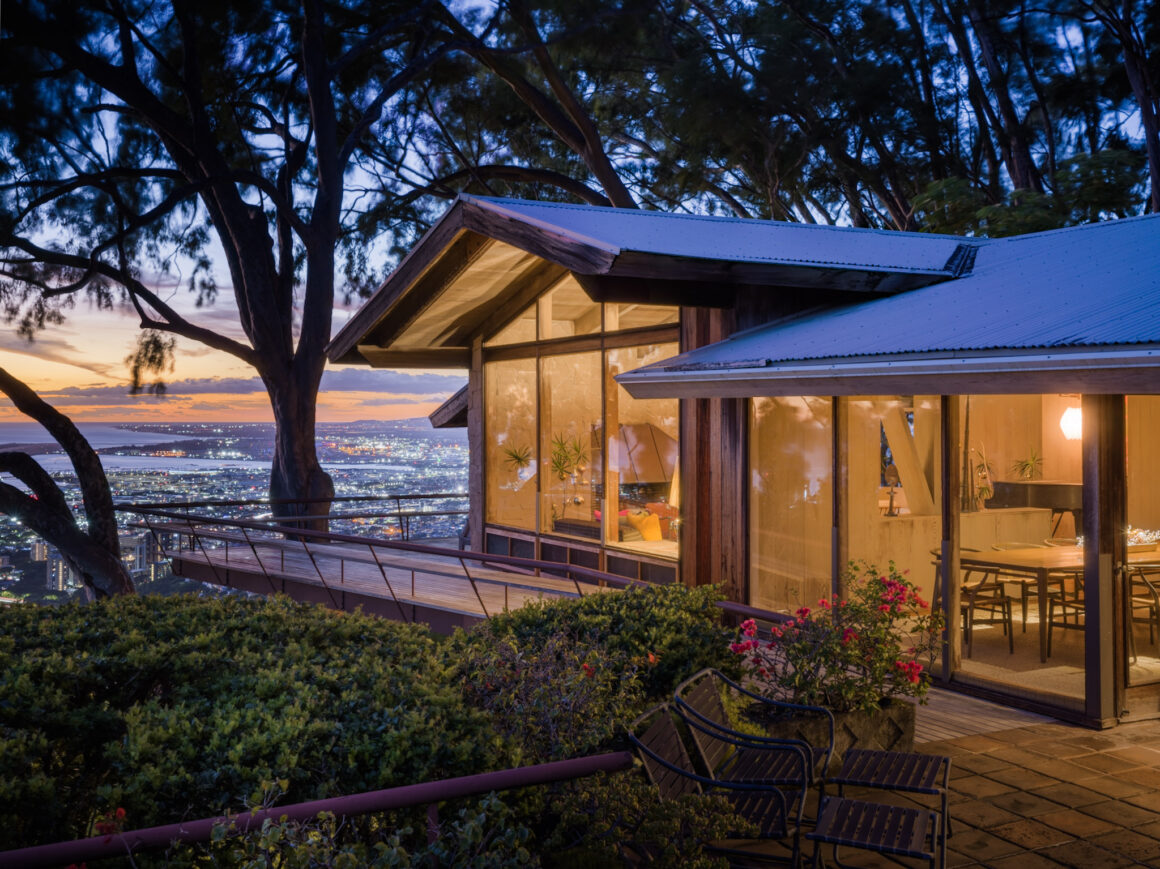
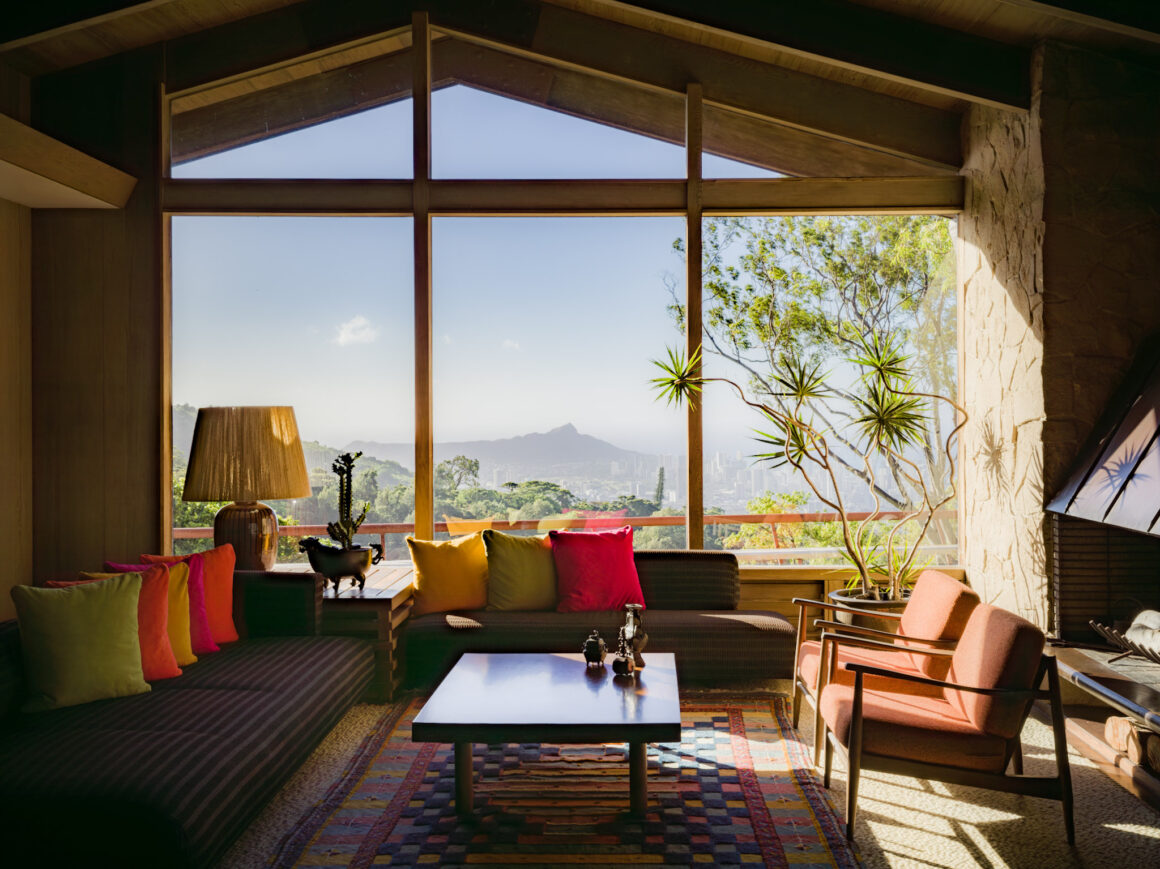
The Liljestrand House perches above Honolulu on Puʻu ʻŌhia (Mount Tantalus) and exemplifies seamless site integration, elegant orchestration of circulation, clever management of views, and creative mix of modern and natural materials. It was designed by Ossipoff in 1948 and built between 1951 and 1952 for Howard and Betty Liljestrand. The house remains nearly unchanged from 2004, when Howard Liljestrand passed away.
The Liljestrand House is open to the public for tours. Visit liljestrandfoundation.org to learn more about the house, Vladimir Ossipoff, the Liljestrands, and the Liljestrand Foundation.
In 2007, the Liljestrand family established the Liljestrand Foundation to preserve the house, its site, and its archives. The Foundation is a nonprofit organization without an endowment and relies on tours, programs, and donations to support its ongoing stewardship.
When restoring a home of this significance, how do you decide which original elements to preserve, restore, or reinterpret for modern living?
As a private home that has evolved into a public institution, the Foundation always strives to find a balance between the original design and intent and what makes sense given the present use of the home. The original materials were all commonplace materials of the era—California redwood, concrete, sandstone, Philippine mahogany. Generally, these materials remain untouched wherever possible.
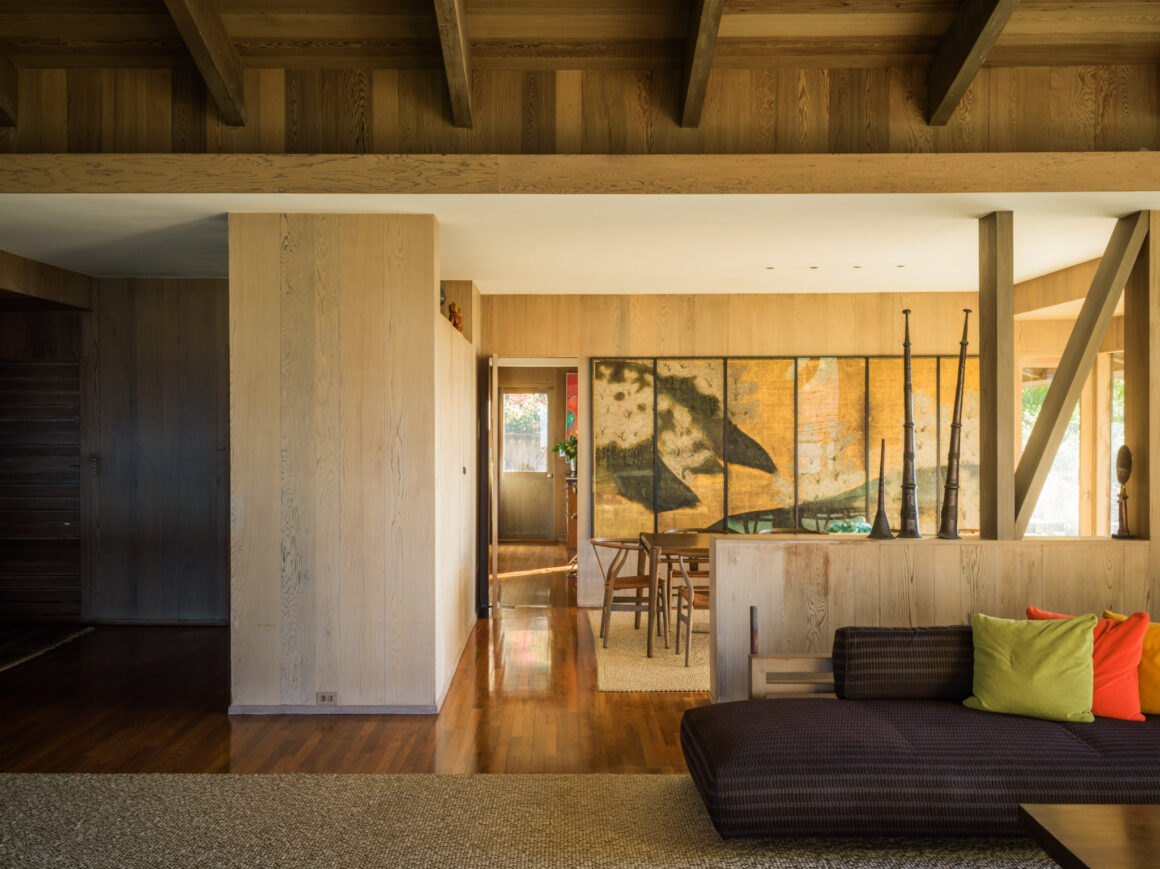
Some of the more unusual materials in the home were selected by Betty Liljestrand, who also served as the general contractor. These include the Ohia wood floors, the pier pilings and the coral pavers. She was on site every day and oversaw the construction of the house. Very frugal, she utilized found materials or leftover materials from other construction sites.
The home’s connection to its natural surroundings feels effortless. How does that relationship inform your material and design decisions?
Discussions about preservation projects always revolve around honoring the “spirit” of the home. There is no mandate that “like must replace like.” Rather the staff often bring in board members or other volunteers with expertise in the type of project to help determine material selections or assist with troubleshooting or problem solving. The durability of materials also plays a role in determining design decisions, especially given the tropical climate and the fact that the home is not air conditioned or climate controlled.
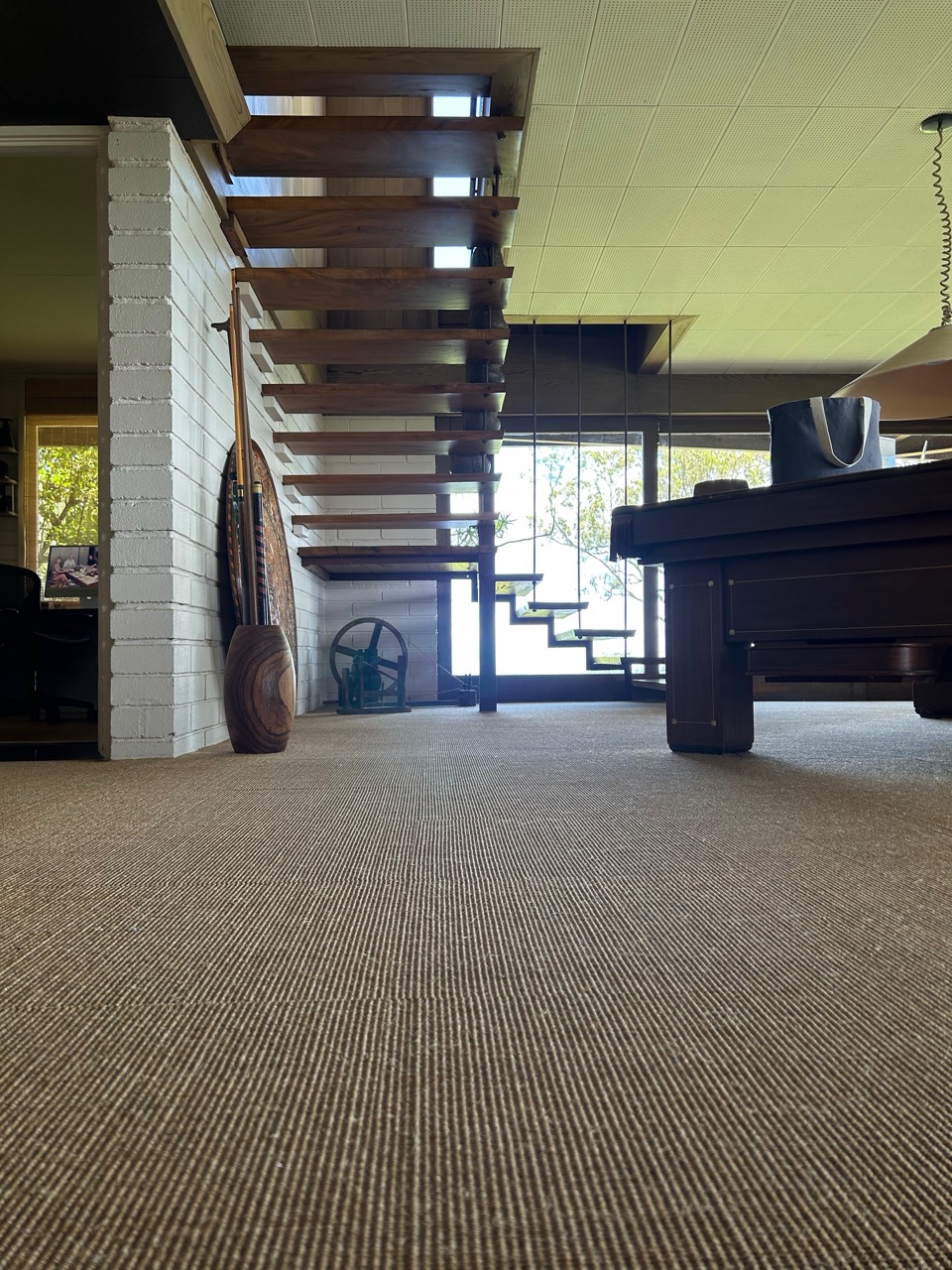
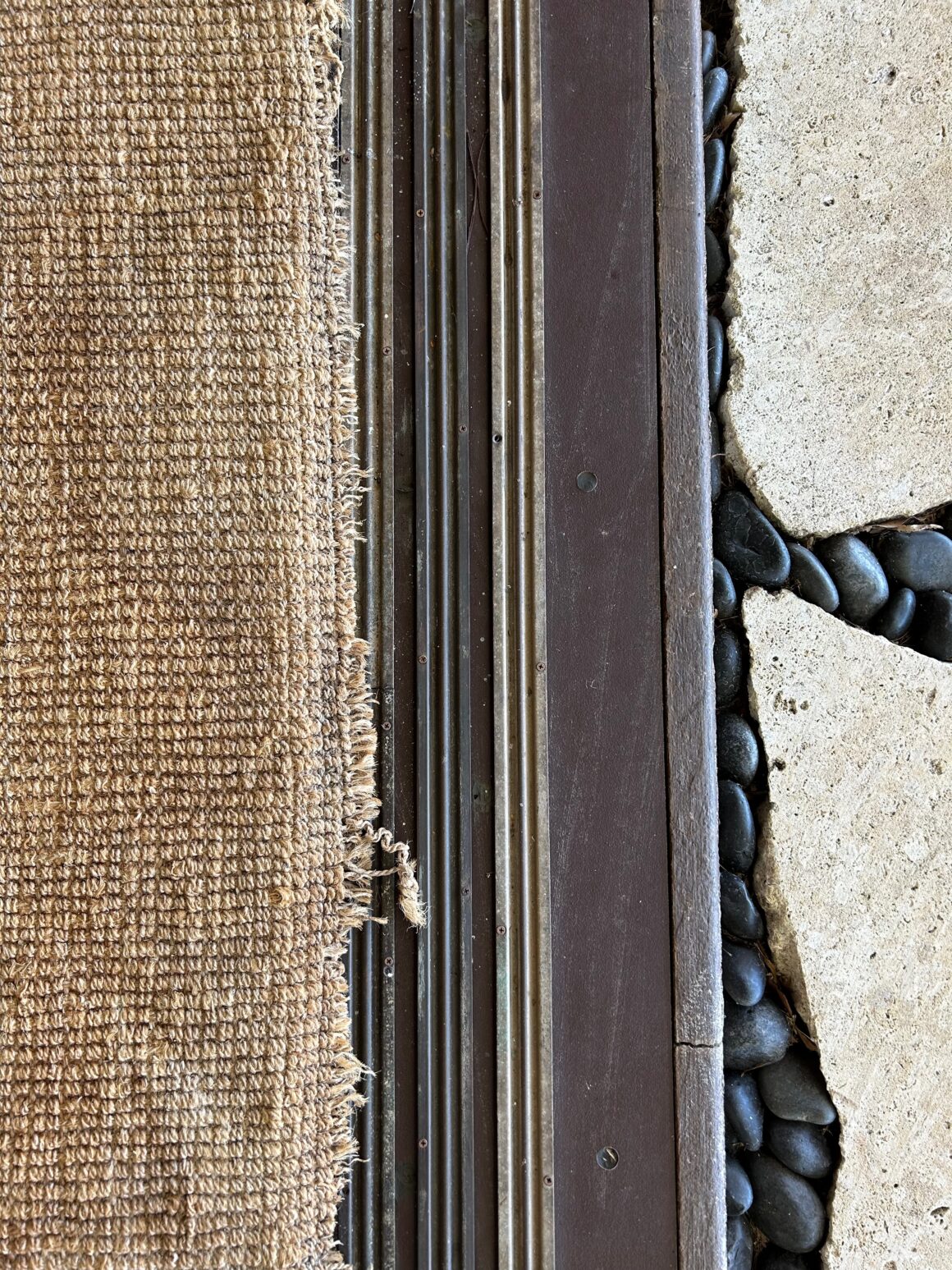
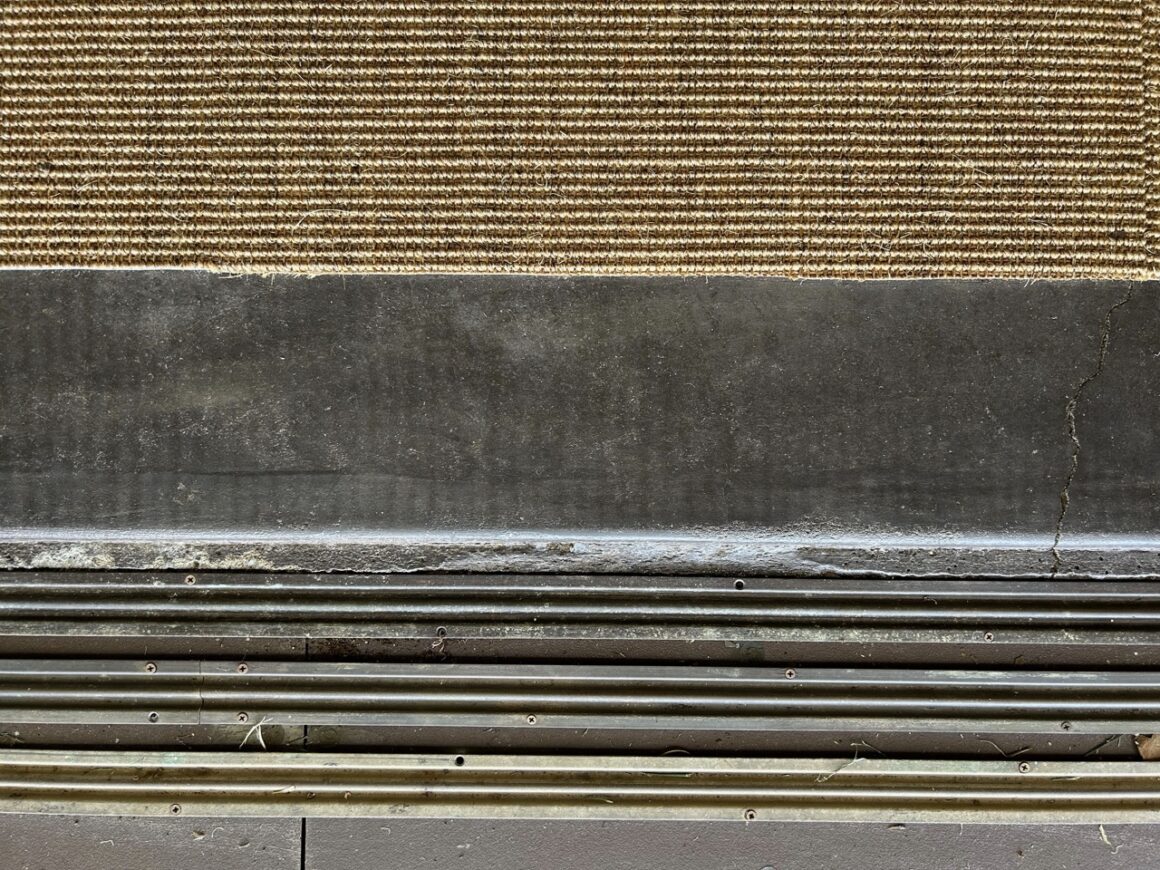
What led you to choose Sisal Tiles in the Playroom?
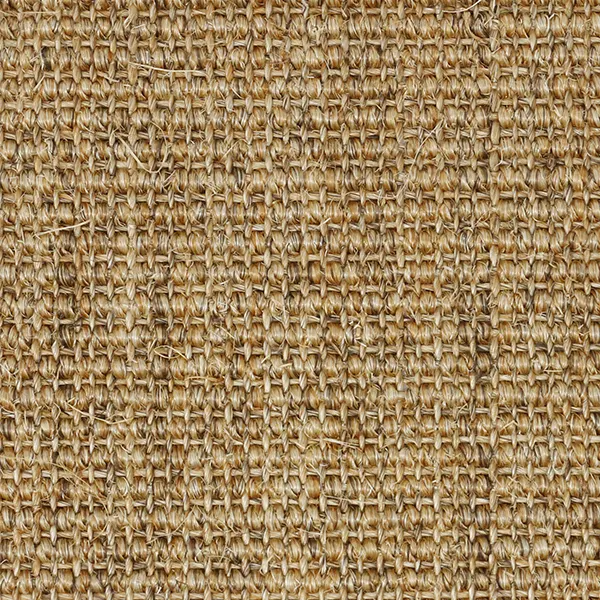
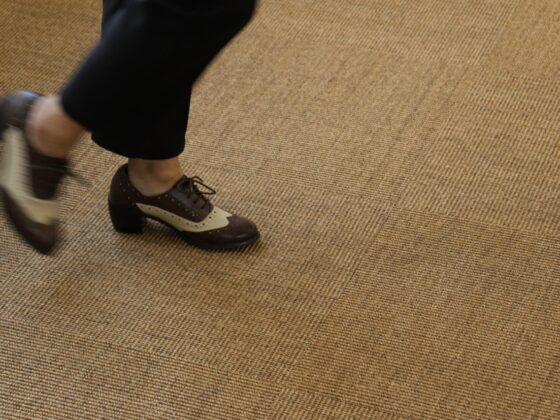
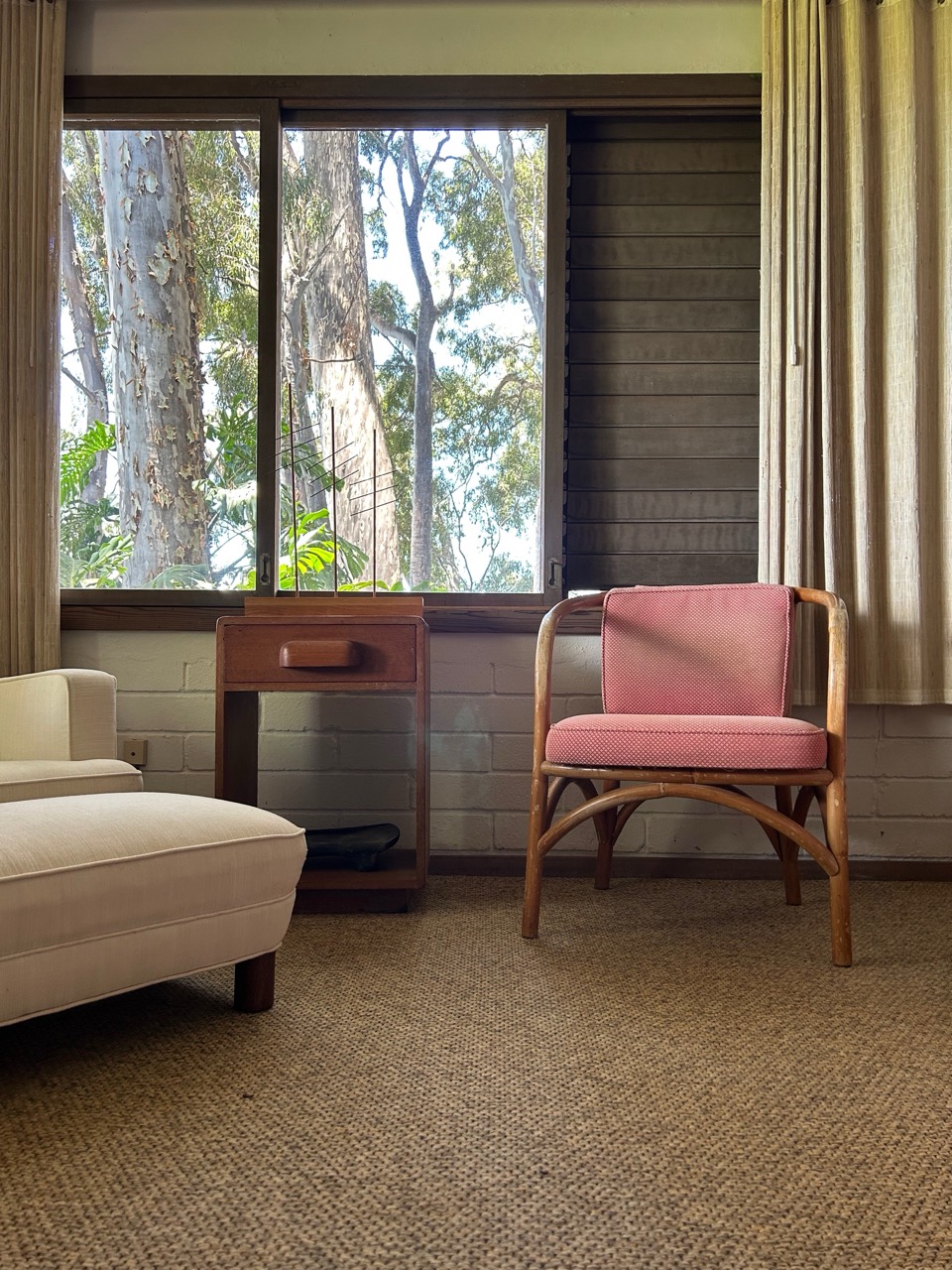
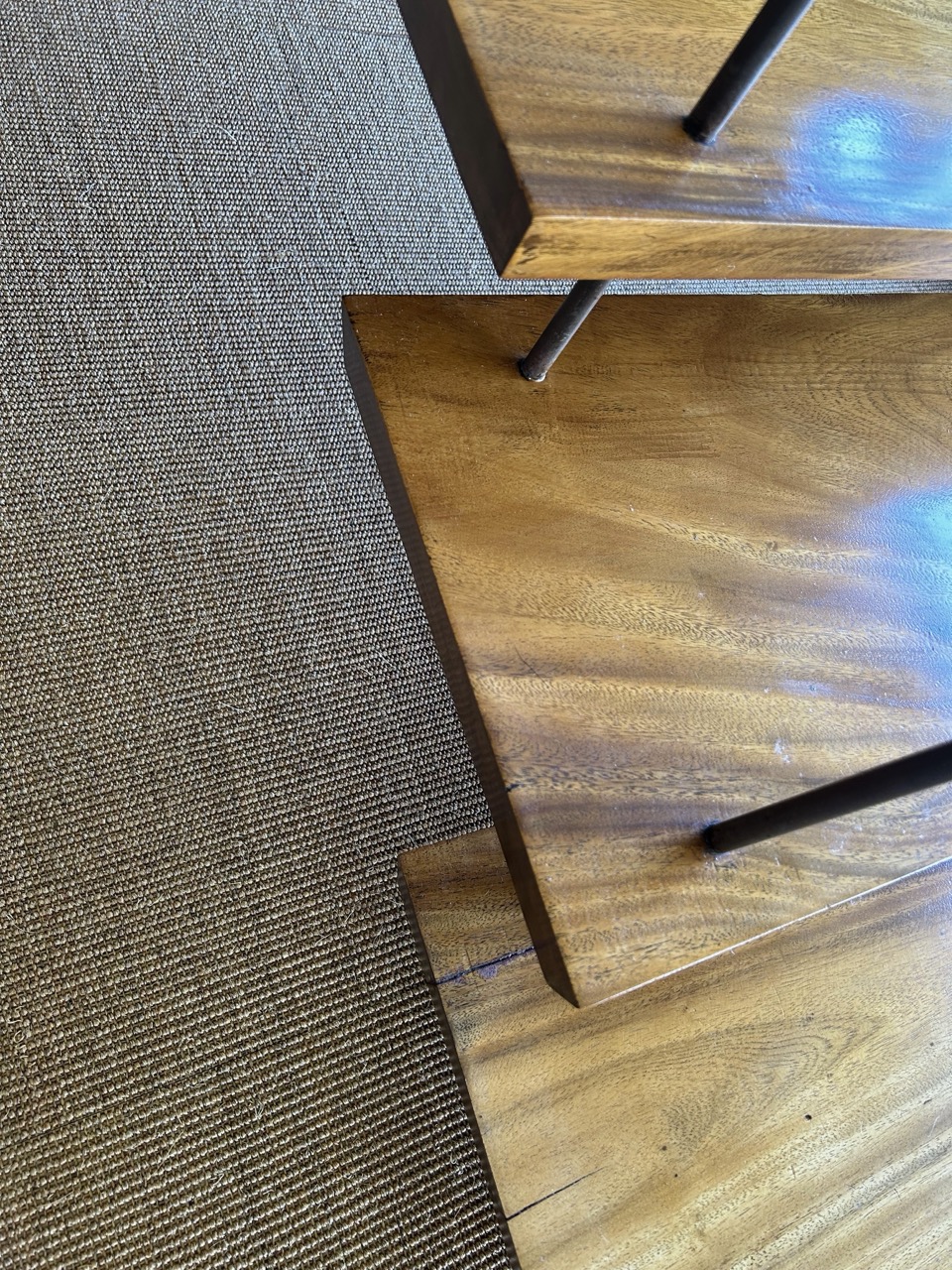
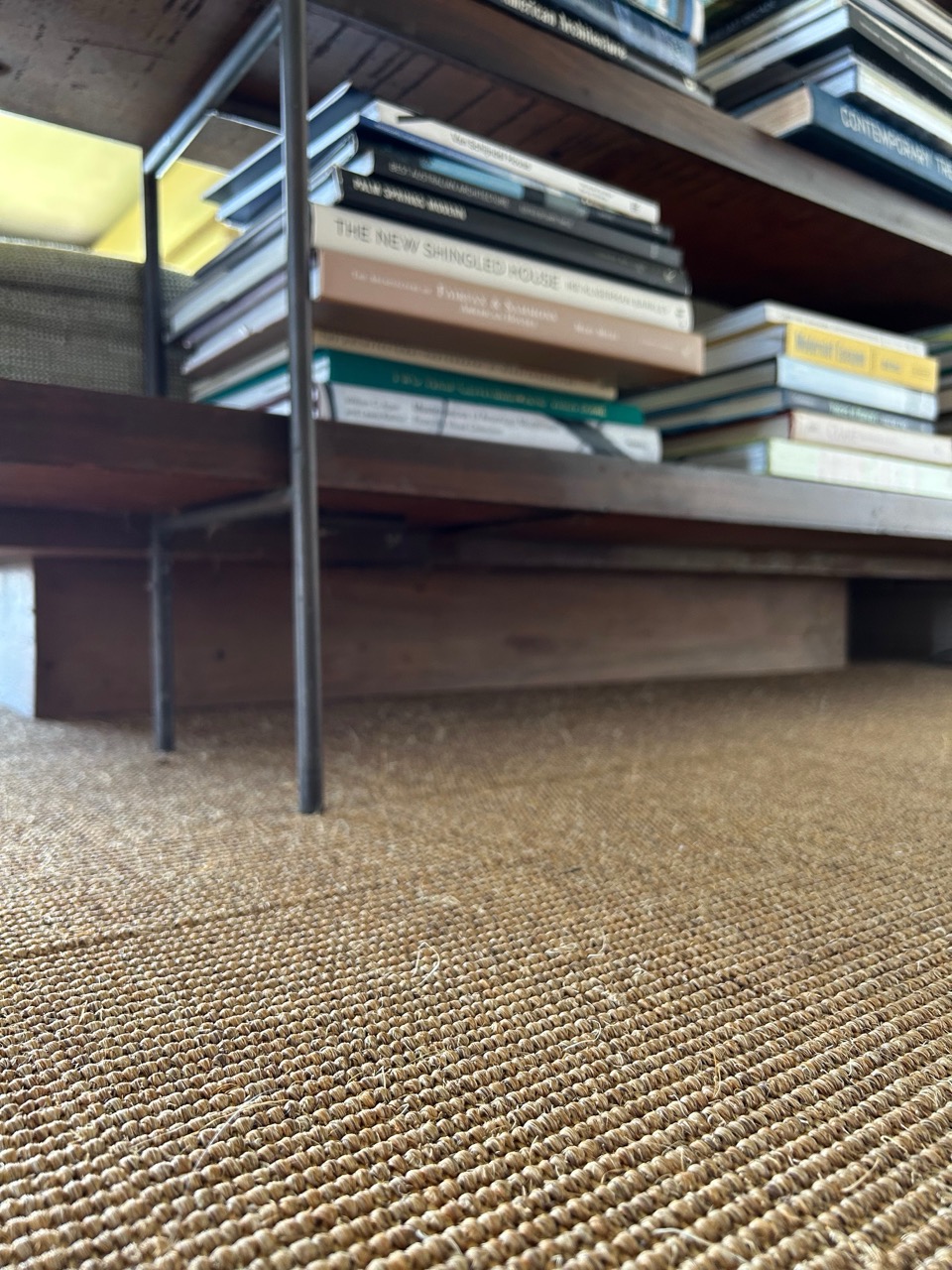
The Sisal Tiles were selected because they are real sisal yet come in tiles that are easy to install and swap out as needed. Several synthetic options were considered but in the end, the feel of real sisal outweighed the durability aspects of synthetic sisal.
Liljestrand Foundation board president Shan Liljestrand is the grandson of Howard and Betty. One of his favorite childhood memories is running barefoot across the sisal flooring and feeling how scratchy it was beneath his feet. It was for this reason that the decision was made to go with real sisal.
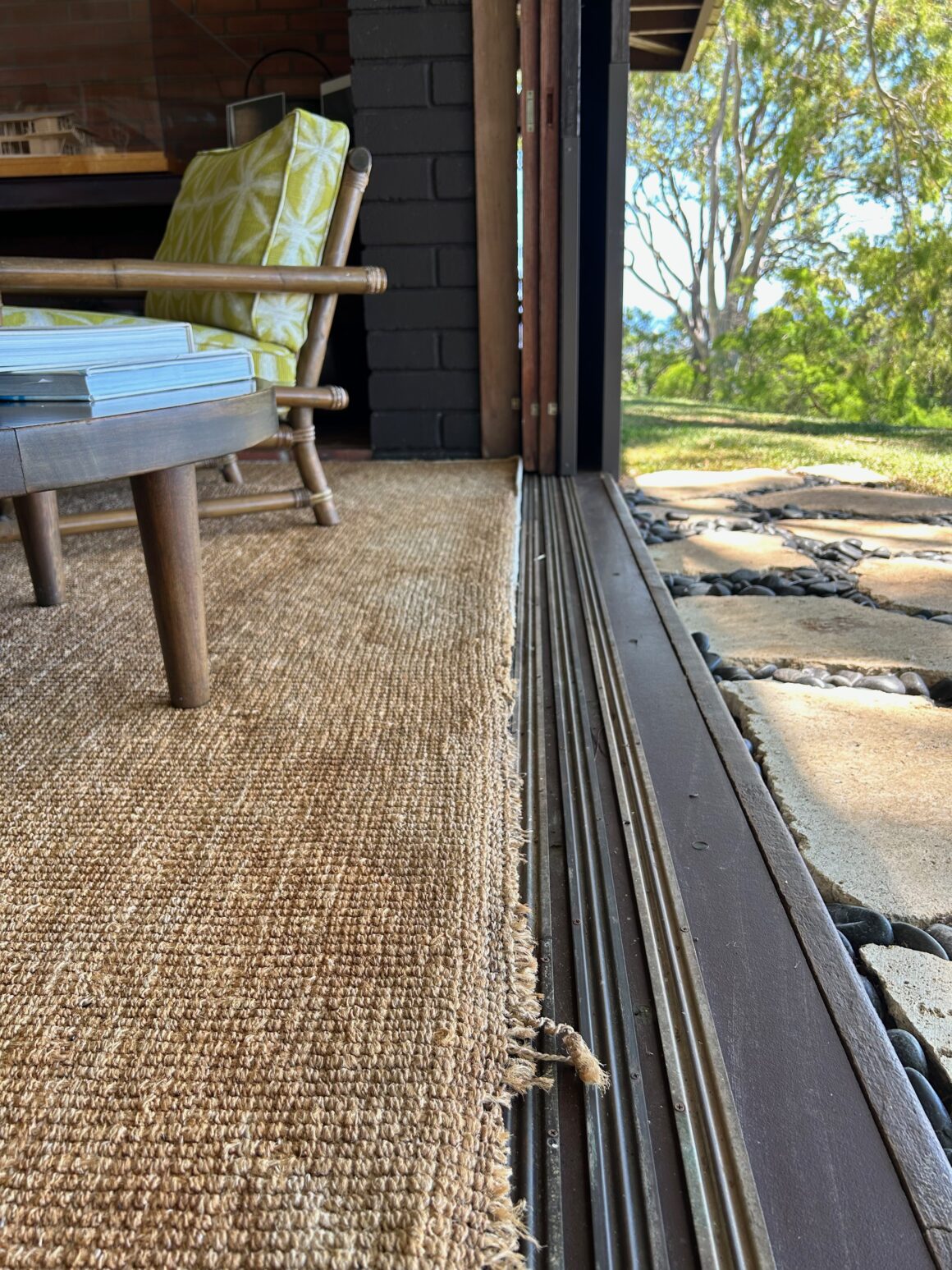
What about Langley from the SynSisal® collection in the Guest Room?
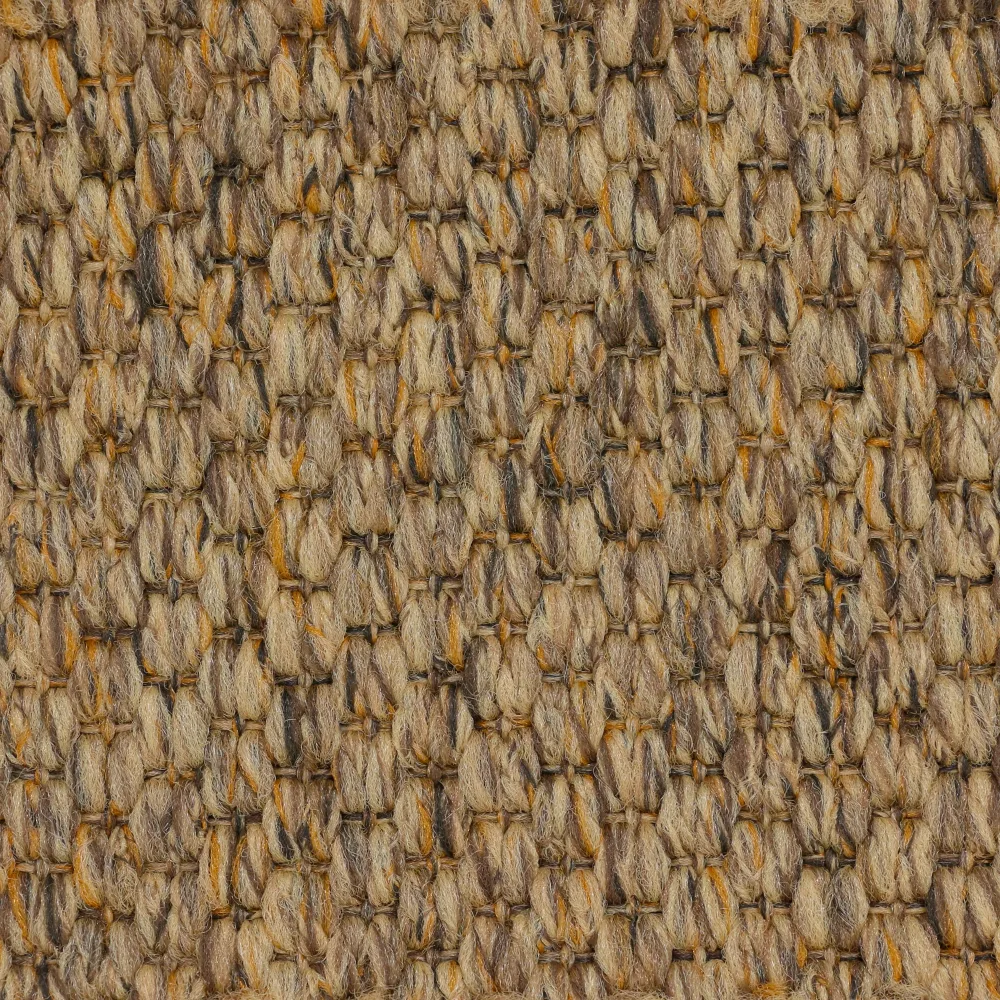
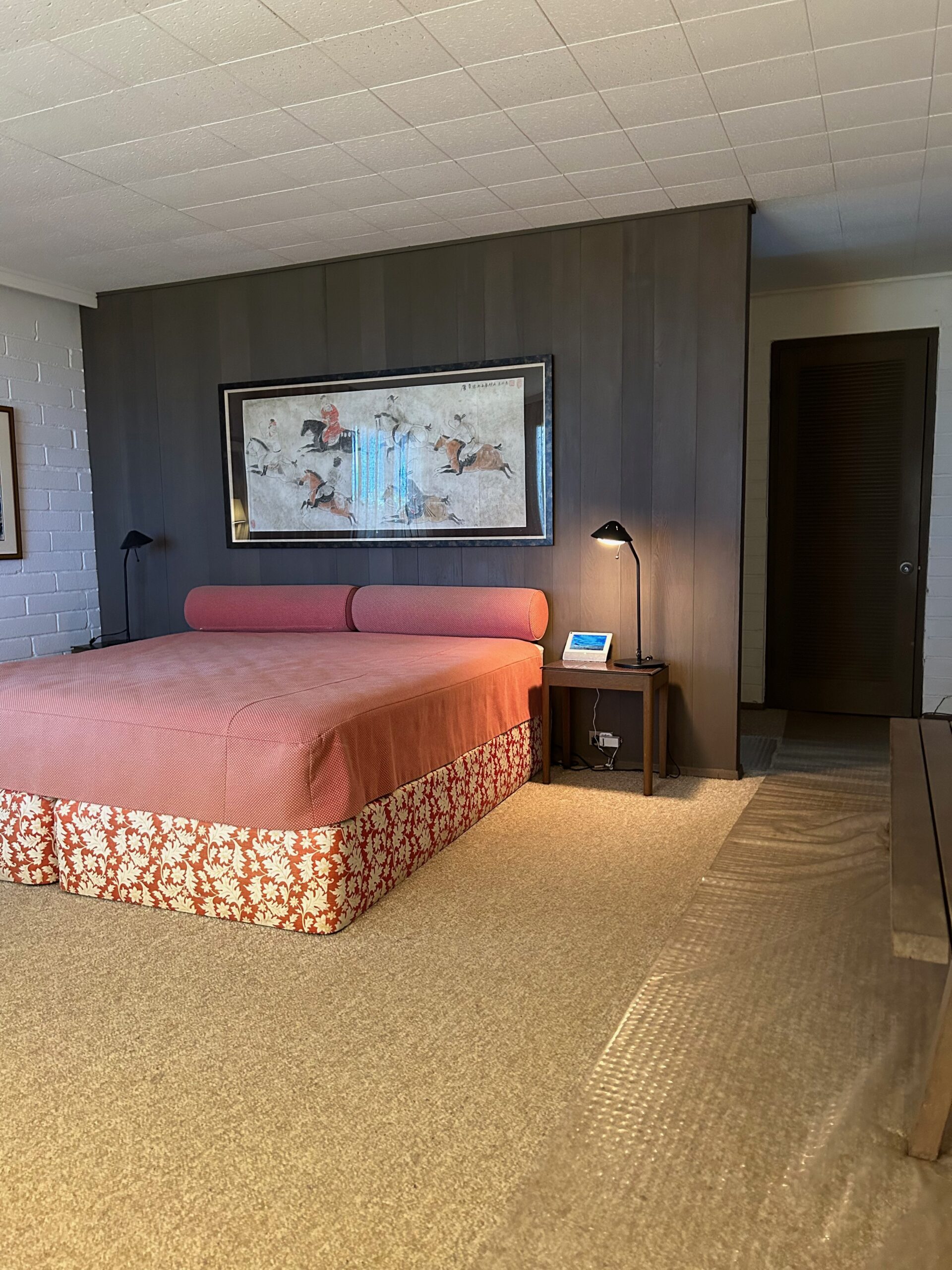
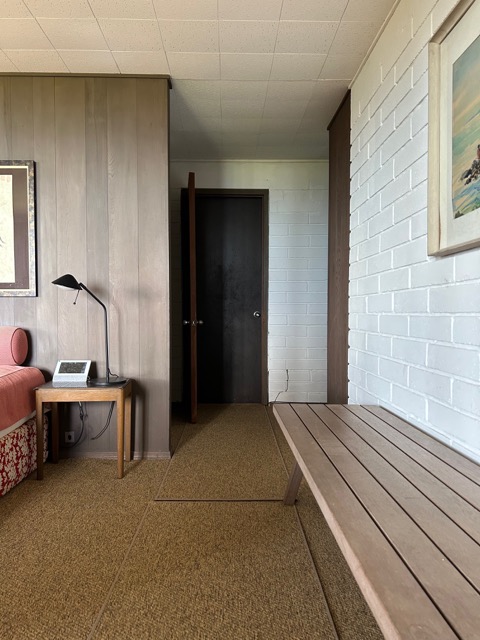
The previous guest room carpet was a wool residential-grade berber. While beautiful, it was not able to stand up to the constant use of accessing the storage room and restroom. The Langley maintained the “feel” and look of the berber yet was far more durable.
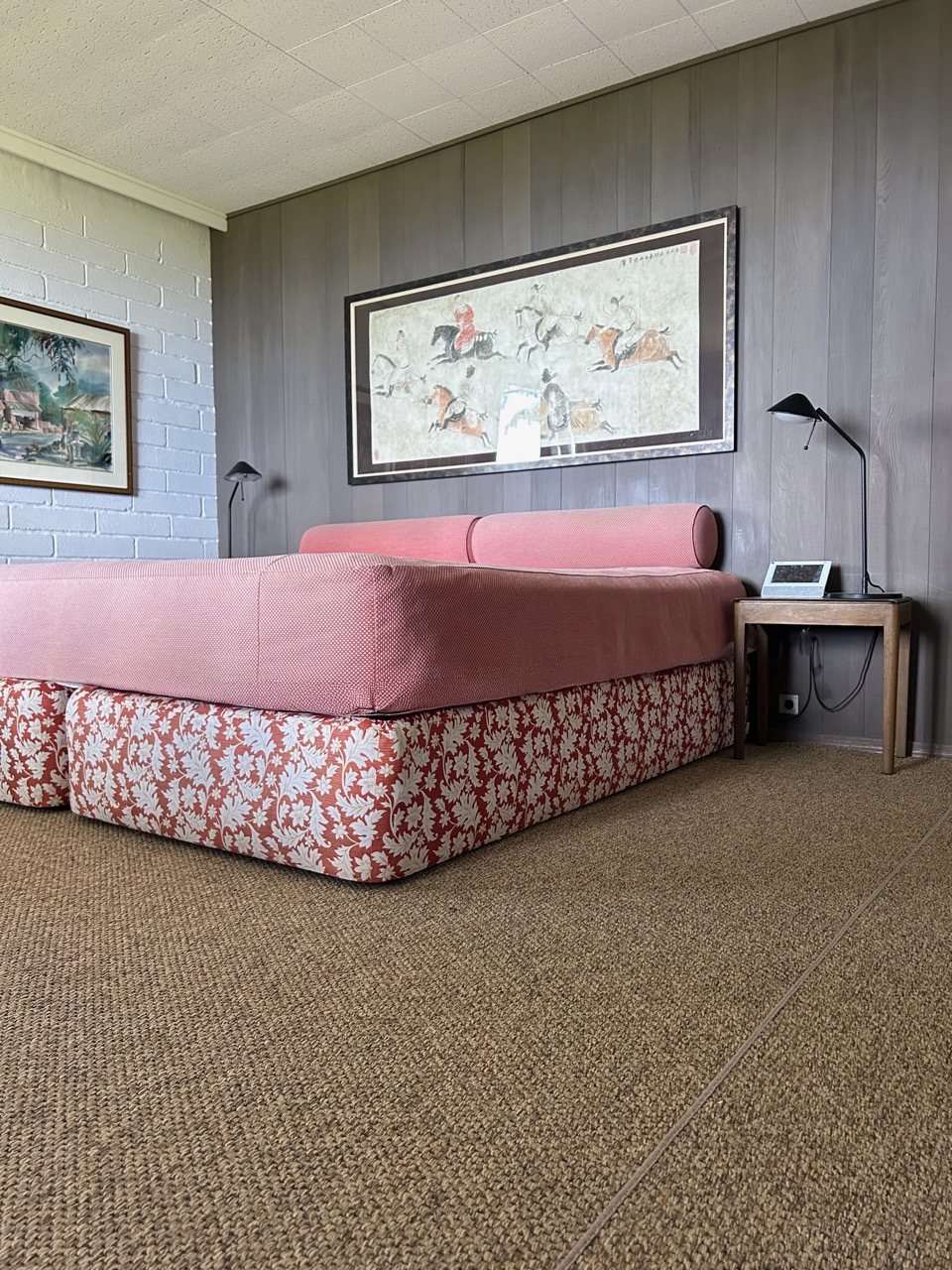
I noticed that you used extra Langley material to create matching mats along the main pathways in the Guest Room—such a clever, functional detail. Could you share how that idea came about? How were the mats finished and secured, and has it helped preserve the carpet’s look in high-traffic areas?
The Langley material was selected for its durability but the Guest Room also serves as a passage to a storage room and one of the guest restrooms. It’s a heavily trafficked area of the house, especially during programs and events when guests have their shoes on. The mats were cut to measure and finished from leftover carpet by the installation team as extra protection. They adhere well to the wall to wall carpet and are not secured in any way.
For design firms or homeowners embarking on adaptive reuse, preservation architecture, or historical renovation projects, what guidance would you offer—especially around balancing design integrity, material performance, and modern needs?
We think about Liljestrand House and its preservation in terms of how to keep it standing and intact so that future generations can enjoy and learn from it. Now that it has evolved from a family’s home to a public house museum and program space, preservation and design decisions must always take into consideration wear and tear in a way that wouldn’t be necessary were it still a private home. There are a lot of things we do not need to worry about. For example, the kitchen is no longer used as a kitchen so when decades old appliances stop working, it’s not necessary to replace them immediately. Our 40 year old Sub Zero refrigerator is a good illustration of this. It is no longer possible to repair it but rather than spend money on a new one, we decided to leave the old one in place and installed a new, far less expensive refrigerator in the pantry where it is hidden.
What aspect of the restoration has been most rewarding or revealing for your team?
Speaking on behalf of our very small staff team, the most rewarding aspect of our preservation work is knowing that we have the support of a small but wonderful and generous community. We raise money to complete all of our preservation work. Seeing the projects come to fruition is great—we love beautiful new flooring, new upholstery, freshly conserved art, a completely renovated deck or a spruced up ping pong table. But at the end of the day, these projects are only made possible thanks to the support and generosity of many people. Knowing that these donors believe in our mission and believe in the importance of Liljestrand House is what gives us the most satisfaction.
If Ossipoff and the Liljestrands could see the preservation work in progress, how do you imagine they’d respond?
I wouldn’t dare imagine Ossipoff’s response to any of the preservation projects we’ve undertaken! I do believe that Howard and Betty would embrace many of the updates—they were very pragmatic about their house. While they knew it was special and they treasured it, they also lived in it for over 50 years. The house was always evolving depending on the stage of their lives and the lives of their four children. But always with Ossipoff’s approval!
Nearly every aspect of the design of the home, from the materials to the furniture, to the art work, was selected by Ossipoff. He dined with the Liljestrands every month until he passed away in 1998 and it was during those dinners where they would discuss changes.
Today, Trudy Couillard, the Liljestrand family’s longtime estate manager, continues to work for the Liljestrand Foundation. She now oversees the care and preservation of the house as the Facilities & Events Manager. Her expertise and institutional knowledge have been critical to maintaining the original spirit of the home.
Looking ahead, what’s next for the Liljestrand House—any upcoming restoration phases or public programs you’re excited about?
Our next preservation project is not a beautiful project but it’s a very necessary one! We are seeking to stabilize the house. After several years of extreme drought, the house has started shifting. We’ll be assessing the movement and the options for stabilization and hope to complete as much of the work as possible this year. We also plan to install UV film on all of the windows in the upstairs living room and hallway to better protect the interior of the house.
Final Thoughts
Preserving the Liljestrand House is an ongoing balance between honoring the past and preparing the home for continued use. As a historic house museum, every decision—whether structural, material, or aesthetic—must respect Ossipoff’s original vision while supporting the realities of public access and Hawai‘i’s climate. Through careful stewardship and community support, the Liljestrand Foundation continues to ensure that this landmark of Hawai‘i modernism remains intact for future generations.

Where To Find the Liljestrand Foundation
Website: www.liljestrandfoundation.org
Instagram: @liljestrand_house
The mission of the Liljestrand Foundation is “to preserve and share Liljestrand House – a defining work of Hawaiʻi architect Vladimir Ossipoff – and foster dialogue on imaginative design.”
Product Highlight
For the Liljestrand flooring project, the foundation specified the following:
Play Room: Sisal Tiles in color Sahara
Guest Room: Langley from the SynSisal® collection in Harvest