
Published January 2025 | Updated January 2025
What is a rug pad?
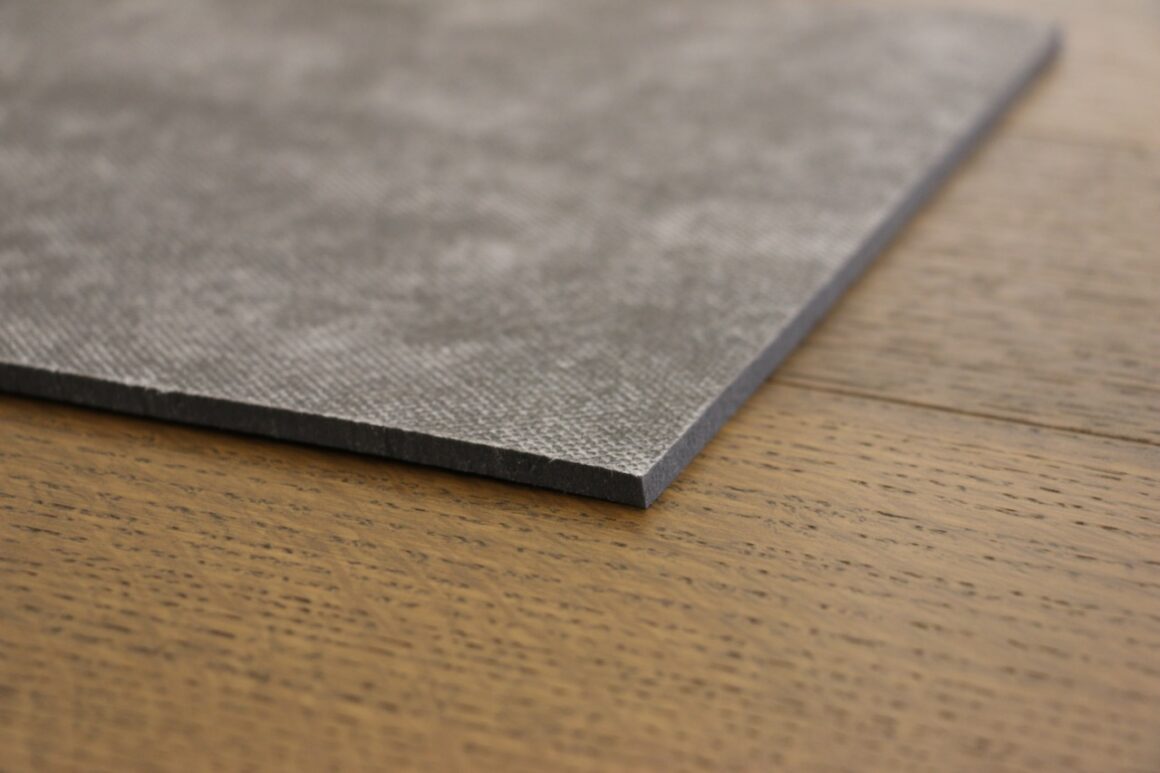
A rug pad is an under layer for rugs that is made from rubber, felt, wool, polyurethane or a combination of these materials. It is also called underlayment. It may be loose or attached to the rug. A dual surface or reversible rug pad has felt on one side and a non-slip rubber on the other. These pads are versatile and can be used on either hard flooring surfaces or on top of carpeting.
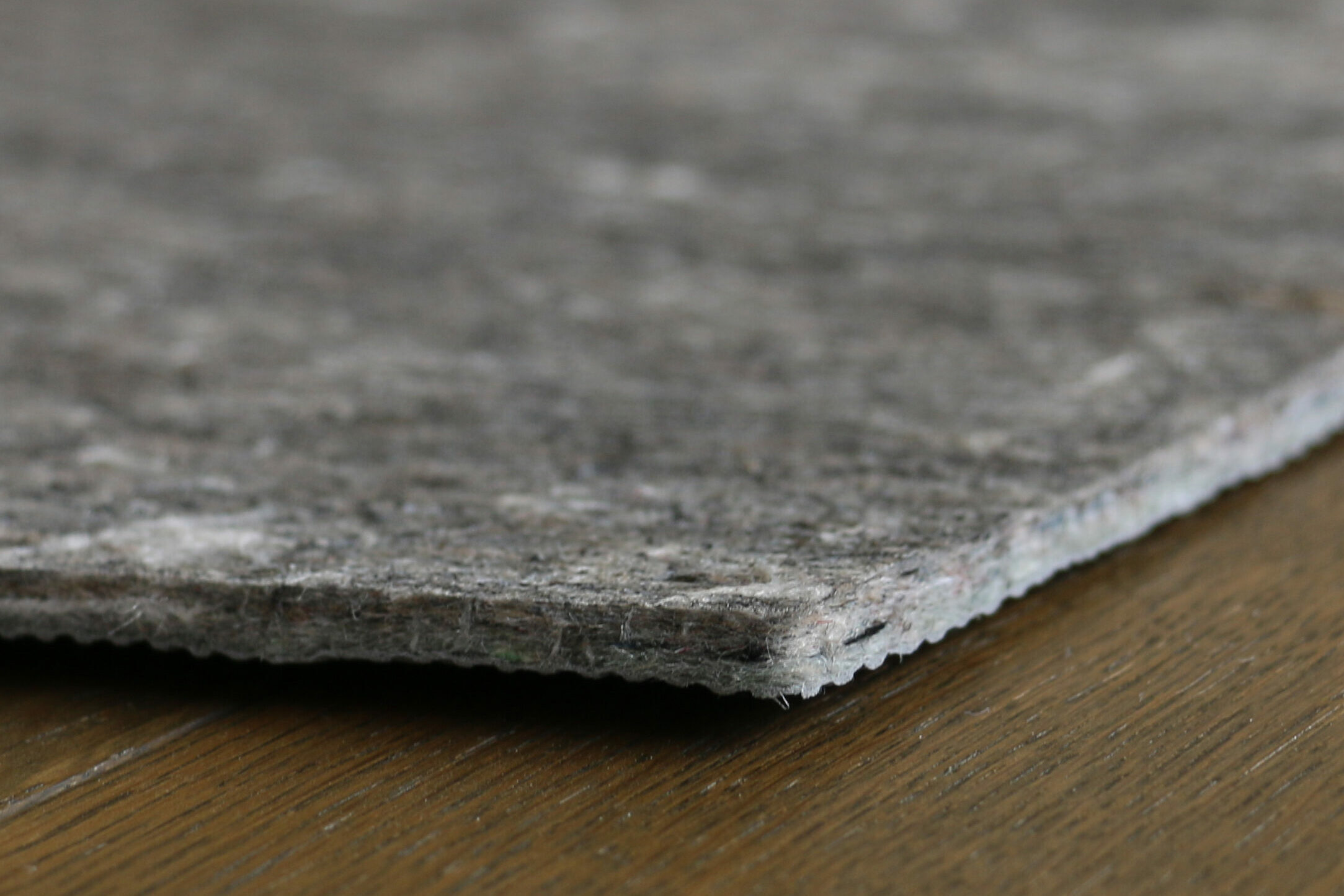
Pro Tip: When placing your order for a custom rug, you will have the opportunity to add a rug pad to your order. Some of our custom weaves come with an attached pad. If you would like to purchase a rug pad separately, please reach out to our customer service team.
Is a rug pad necessary for an area rug?
Rug pads are encouraged under area rugs on all types of surfaces. Not only do rug pads add cushion and decrease slipping, they increase the longevity and support the structure of the weave. Our rug pads meet many criteria and are suitable for use on both carpeting and hard surfaces.
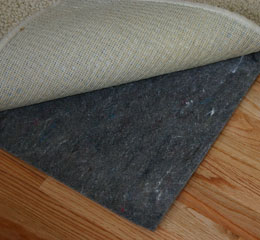
On hard wood surfaces, place the rubber side face down over the flooring to keep your rug from slipping.
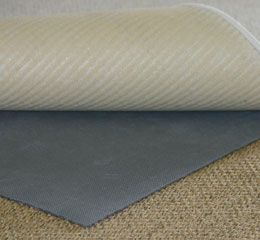
When layering onto carpeting, lay the fiber side down to keep your area rug in place on soft surfaces.
Our Rug Buying Guide is a one-stop shop for gathering all you need to know about buying a rug, from selecting the best material for your lifestyle to the delivery of your new rug.
Do I need an attached or loose rug pad?
Most rug pads are loose and cut to your specifications. But many of our custom rugs come with the choice of an attached rug pad. If your area rug is anchored under heavy furniture and you want to add a layer of cushion, an attached felt rug pad is a great choice. Attached rug pads with a rubber surface are great for use on hard surfaces as well as carpets to help prevent slipping.
Attached Felt | Attached Rubber |
Loose Dual Sided | Outdoor Non-Slip |
What about a padding for broadloom or wall-to-wall installations?
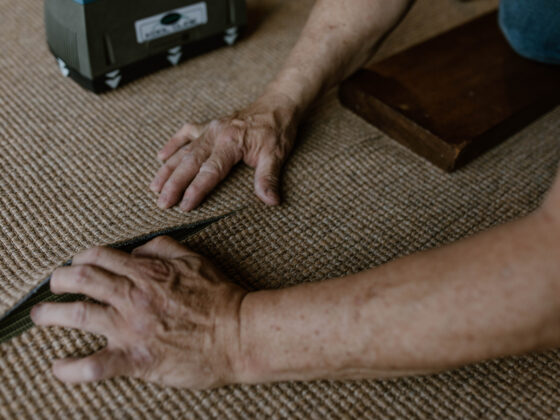
For wall-to-wall installations, your installer will suggest and procure the proper underlayment for your project.
A Note About Latex Backed Rugs
Rugs backed with latex need a barrier. We highly recommend the use of a rug pad as a barrier between the latex backing and your flooring. The performance of natural latex backing varies depending upon environmental factors in a room.
- If a room is too dry, natural latex can break down or start to crumble.
- Different finishes and sealants used on wood floors, such as oil-based, solvent-based and water-based polyurethane, can react with natural latex and cause it to stick to the floor.
- Moisture, cleaning detergents, soaps or other liquids can cause natural latex to stick to the floor.
No Latex
No Adhesives
No Chemicals
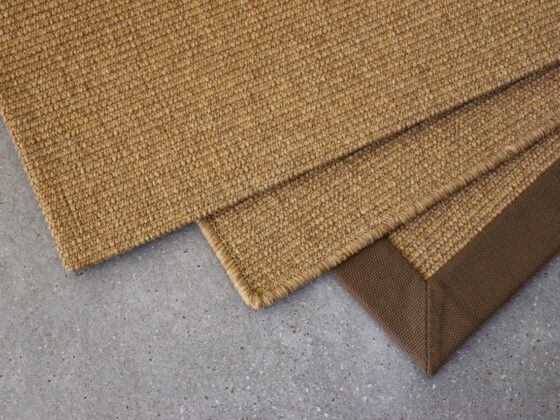
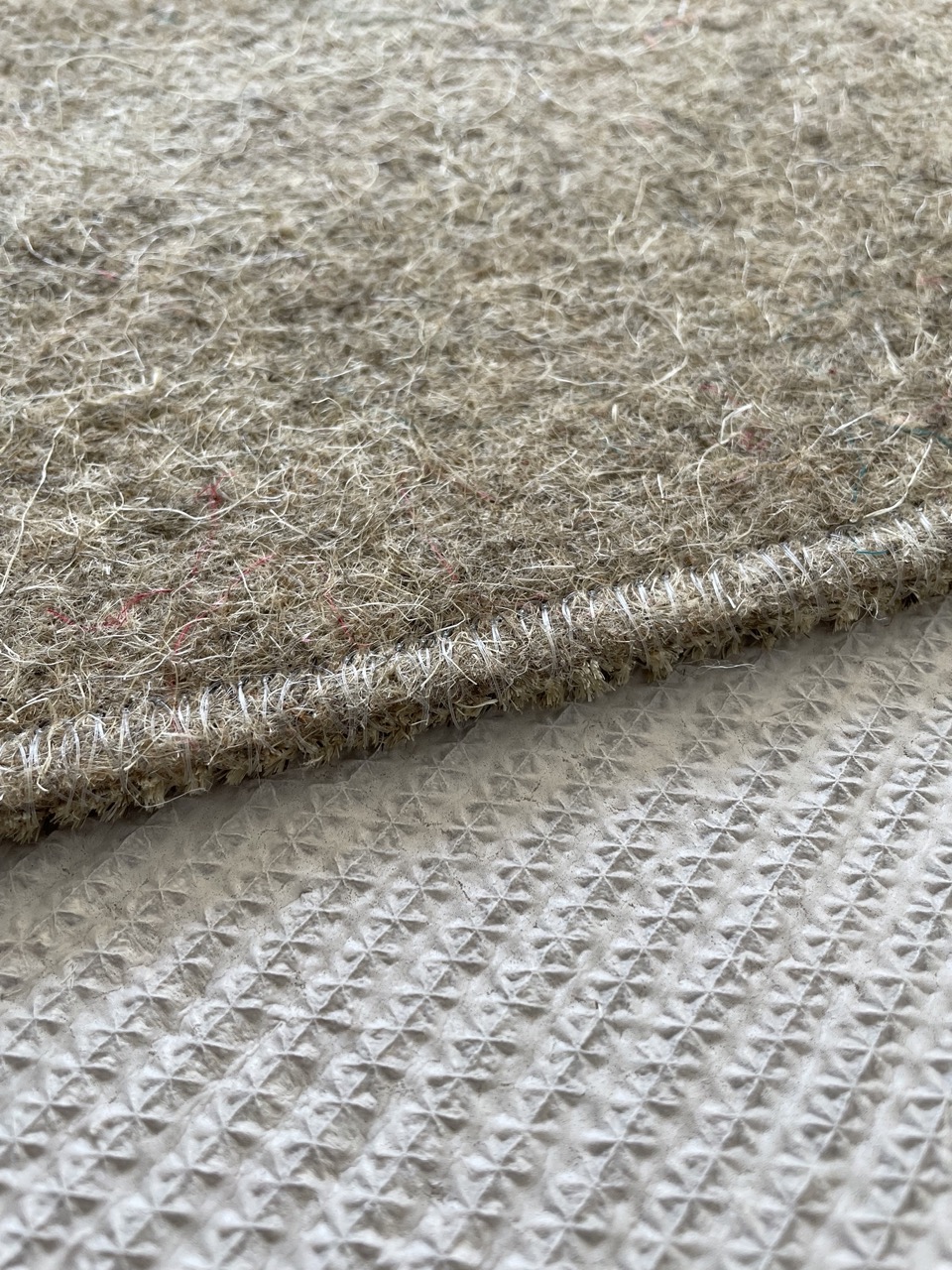
For consumers looking for a completely natural backing, our EarthSISAL™ is here. Natural sisal is backed with a recycled natural fleece pad for a built-in cushion that will not stick to your floors. No VOCs, completely biodegradable.
Image: natural fleece backing (top) & latex backing (bottom)